

Makovecz Study Excursion to Vojvodina
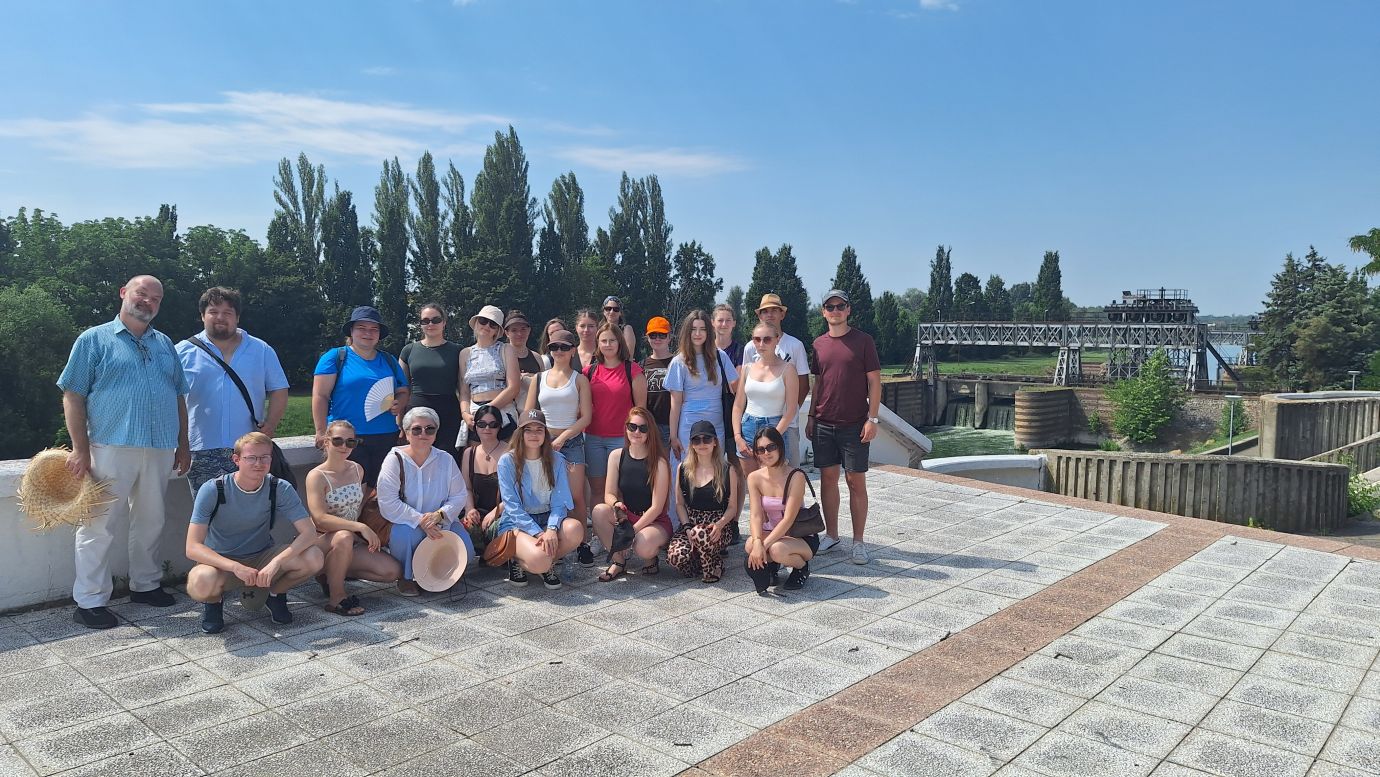
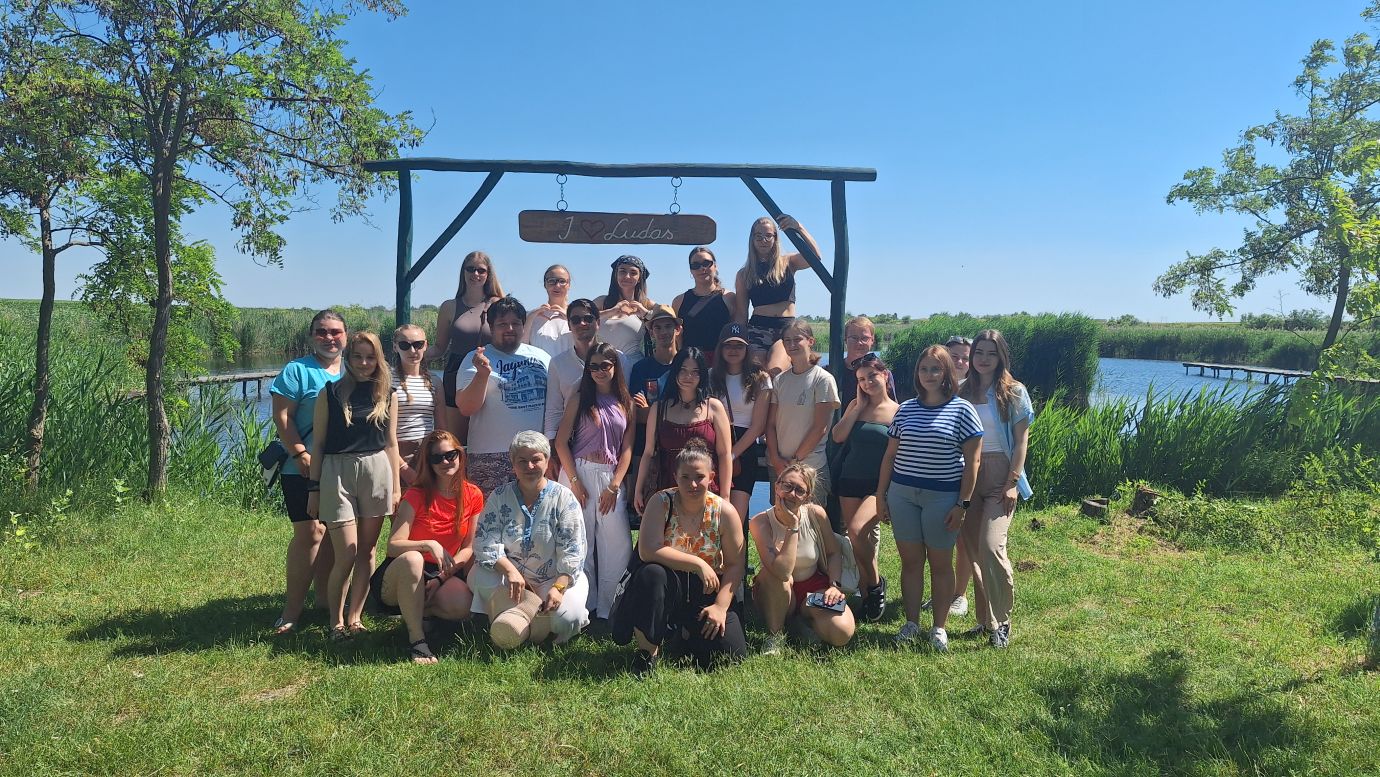
In June 2026, twenty-two students from the Faculty of Central European Studies at Constantine the Philosopher University in Nitra participated in a highly enriching field study excursion to the northern plains of Serbia. Guided by two faculty members from the university, whose unwavering enthusiasm accompanied the group throughout the journey, the participants were introduced to each stage of the excursion through insightful commentary and expert guidance.
Following the previous year's field excursion to Transylvania, this year's destination was chosen with the aim of gaining a deeper understanding of the situation of the Hungarian minority in Serbia, with particular emphasis on exploring the educational and cultural life of the Hungarian community in Vojvodina. The group was accommodated at the Kátai Farmstead (Kátai Tanya), where they were welcomed with exceptional hospitality in an idyllic rural setting. The stay offered students a unique opportunity to experience both the tranquillity of the natural environment and its distinctive rhythms, as dawn arrived each morning to the sound of crowing roosters and the accompanying chorus of farm animals.
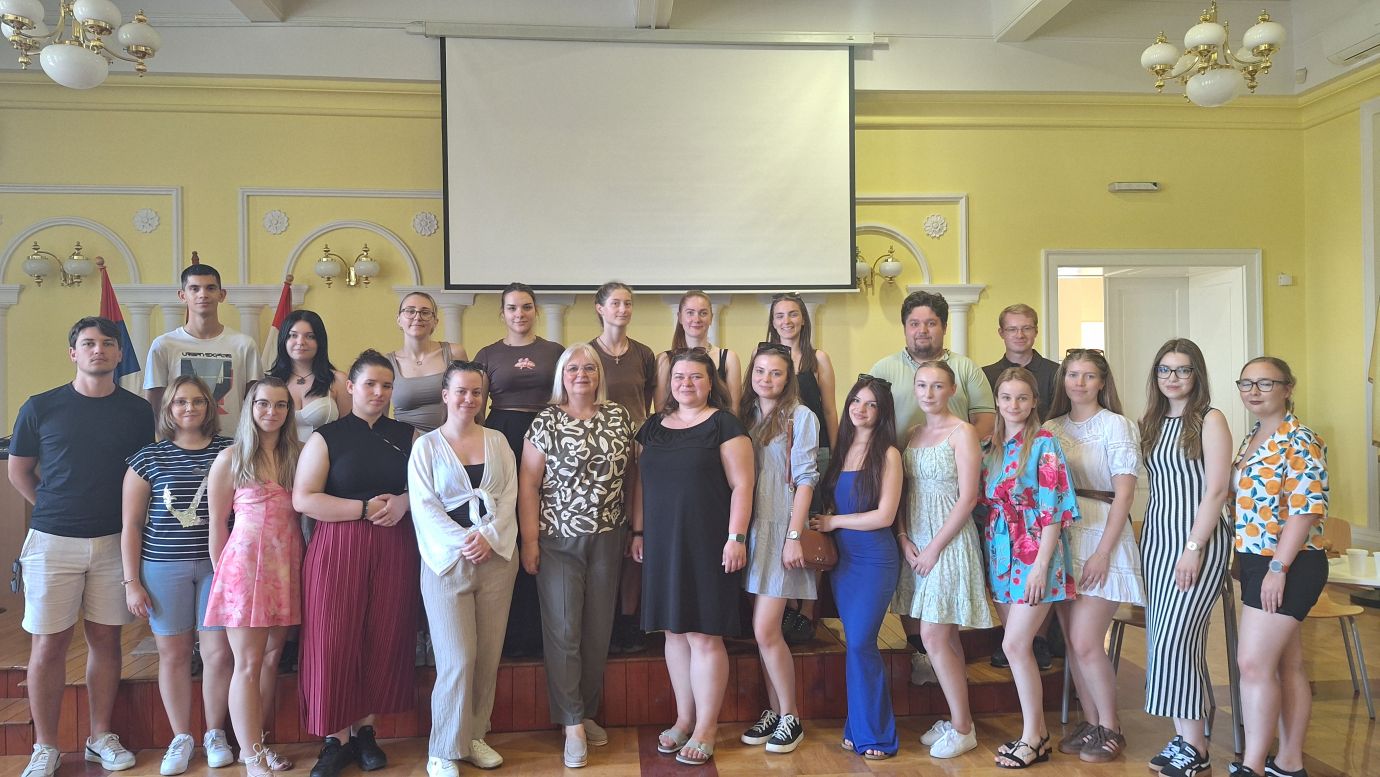
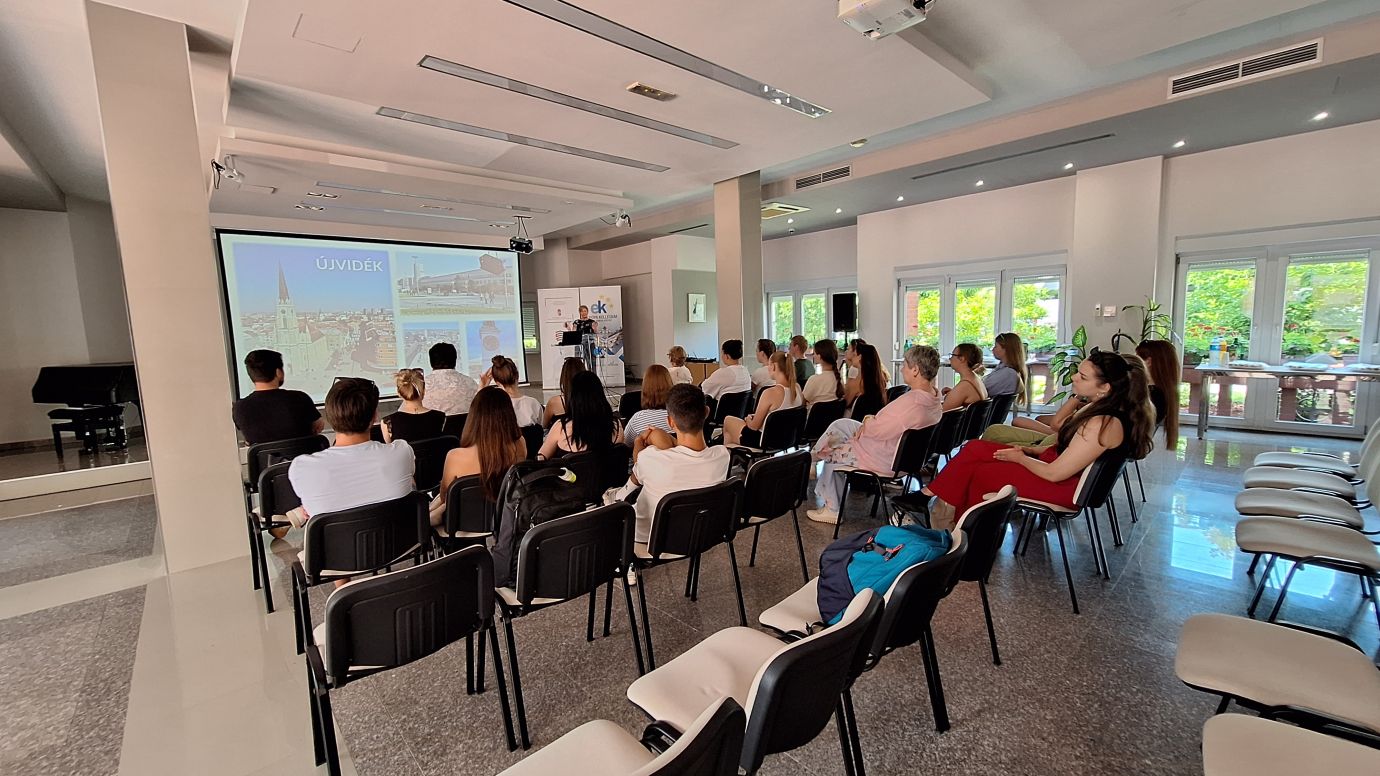
One of the most significant academic components of the study excursion was the visit to the Hungarian Language Teacher Training Faculty of the University of Novi Sad in Subotica. During an engaging presentation by the dean Dr. Valéria Krekić and Dr. Viktor Fehér, students gained valuable insights into the functioning of the higher education system in Vojvodina and had the opportunity to discuss issues related to tertiary education in the region. As the participants learned, the Hungarian Language Teacher Training Faculty constitutes the cornerstone of institutional higher education in the Hungarian language for the Hungarian minority in Serbia. The visit also fostered an active and thought-provoking dialogue between the two groups. Throughout the discussion, participants came to recognise that although the Hungarian communities in Slovakia and Serbia face many comparable challenges, the differing social, political, and institutional contexts in which they operate have given rise to distinct experiences and approaches to minority education and community life.
Following the presentation, our hosts guided the students through the faculty's impressive Art Nouveau building, drawing attention to the multilingual outlook that characterises everyday life in Vojvodina, where the use of at least four languages is a natural part of the region's social and cultural landscape. This offered participants a valuable perspective beyond the realities of their own local environment and highlighted the distinctive multicultural character of the region. The warm hospitality was crowned by a thoughtfully guided tour of Subotica. In addition to admiring the city's architecturally and historically significant landmarks, students experienced the unique opportunity to walk the very streets once frequented by some of the most prominent figures of Hungarian literature, including Dezső Kosztolányi and Géza Csáth, thereby forging a tangible connection with the region's rich literary heritage.
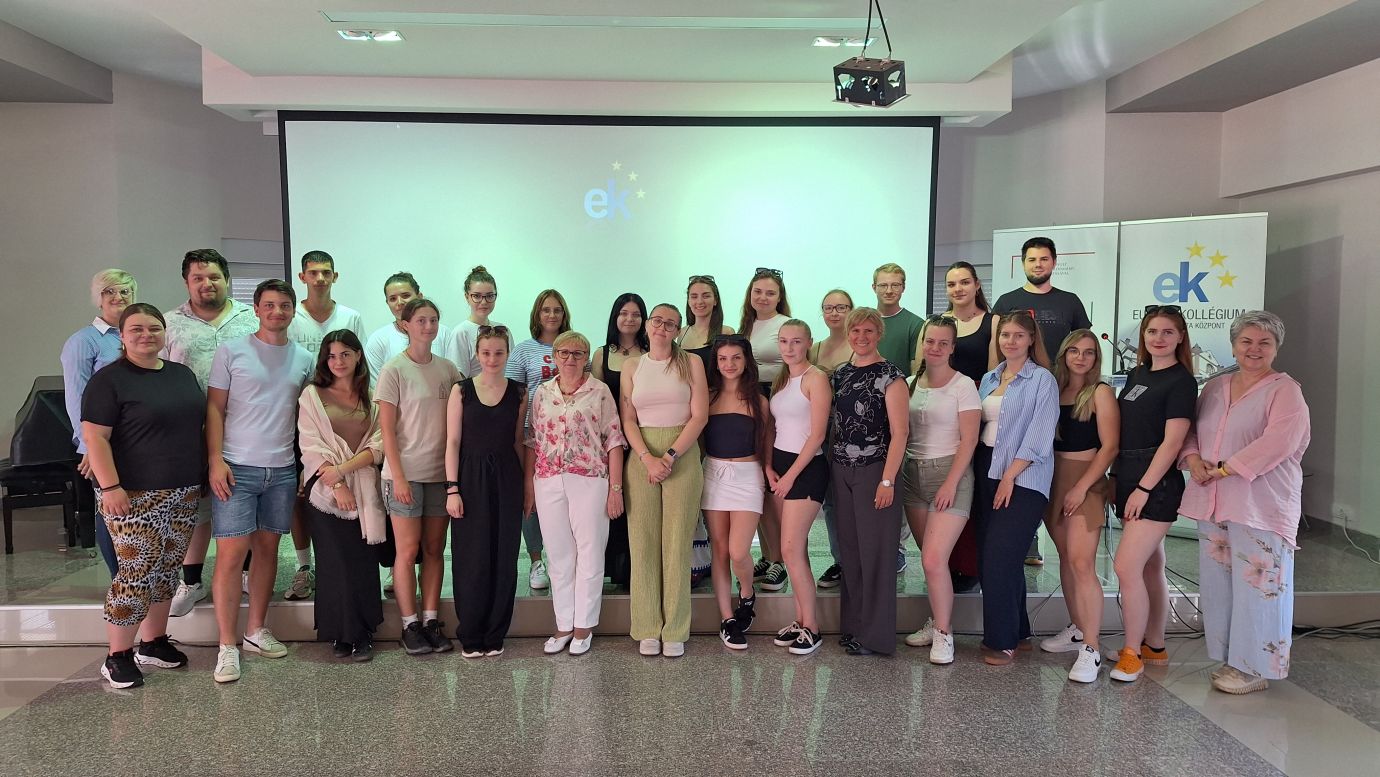
Another highlight of the study excursion was the visit to Europa College in Novi Sad, where representatives of the institution provided a comprehensive overview of its operation from both administrative and student perspectives. Home to more than 300 Hungarian-speaking university students, the college plays a pivotal role in supporting the academic, cultural, and social life of the Hungarian minority pursuing higher education in Serbia. Engaging directly with members of the college community, our students came to recognise that the challenges associated with studying and living as members of a linguistic minority are by no means unique within Europe. In this respect, the Hungarian communities of Vojvodina and Slovakia share many common experiences and face remarkably similar circumstances. If the participants took away one lasting impression from their visit, it was undoubtedly the two key elements that underpin the success of Europa College. The first is its extensive Serbian-language programme, offered as a supplementary language training scheme for Hungarian students from Vojvodina. By strengthening their proficiency in the state language, the programme helps ensure that students are not placed at a disadvantage in their university studies or future professional careers because of linguistic barriers.
A second exemplary initiative is the personalised academic support programme that accompanies students throughout their university studies. Through workshops and research mentoring, the college encourages students to undertake research projects within the Scientific Students' Associations (TDK) and the Vojvodina Hungarian Scientific Students' Conference (VMTDK). In addition, students receive personalized guidance in interest-based groups throughout the preparation of both their bachelor's and master's theses. Complementing the academic programme, the excursion also offered participants an opportunity to explore the rich cultural heritage of Vojvodina. The itinerary included visits to Subotica, Palić, Novi Sad, Petrovaradin, Bečej, Senta, Ludaš, and a boat trip on the river Tisza in Kanjiža, allowing the group to gain first-hand experience of the region's historical and cultural diversity. Each destination was brought vividly to life through the historical and cultural commentaries of Dr. Zsófia Bárczi, whose engaging presentations were received with great interest and enthusiasm by the students.
At the outset of the excursion, it was jokingly remarked that it would be difficult to surpass the previous year's "golden group." By the end of the journey, however, it had become clear that every cohort possesses its own unique strengths and character. Shared challenges – including the intense summer heat, early departures, long conversations during bus journeys, and the light-hearted brainstorming of playful "penalties" for latecomers – quickly fostered a genuine sense of community among the students. Consequently, the study excursion to Vojvodina enriched participants not only with new academic knowledge and first-hand experience but also with a lasting sense of belonging that they will undoubtedly remember with great fondness.
The participants express their sincere gratitude to the Makovecz Scholarship Programme for its generous financial support, which made the study excursion possible. They are also deeply thankful to Dr. Zsófia Bárczi and Dr. Viktória Gergely for their meticulous organisation of the programme and for the professional guidance they provided throughout the journey. Special appreciation is likewise extended to the coach drivers, whose professionalism, care, and good humour ensured that the group travelled safely and comfortably to each destination.
Text: Lili Pásztor, Marcell Marafkó
Translation: Evelyn Nagy
Photos: FSŠ archive