

Activities of the Institute of Central European Languages and Cultures within the Nitra University Days 2026
The Institute of Central European Languages and Cultures, Faculty of Central European Studies at Constantine the Philosopher University in Nitra once again took part in organizing engaging activities as part of the Nitra University Days 2026.
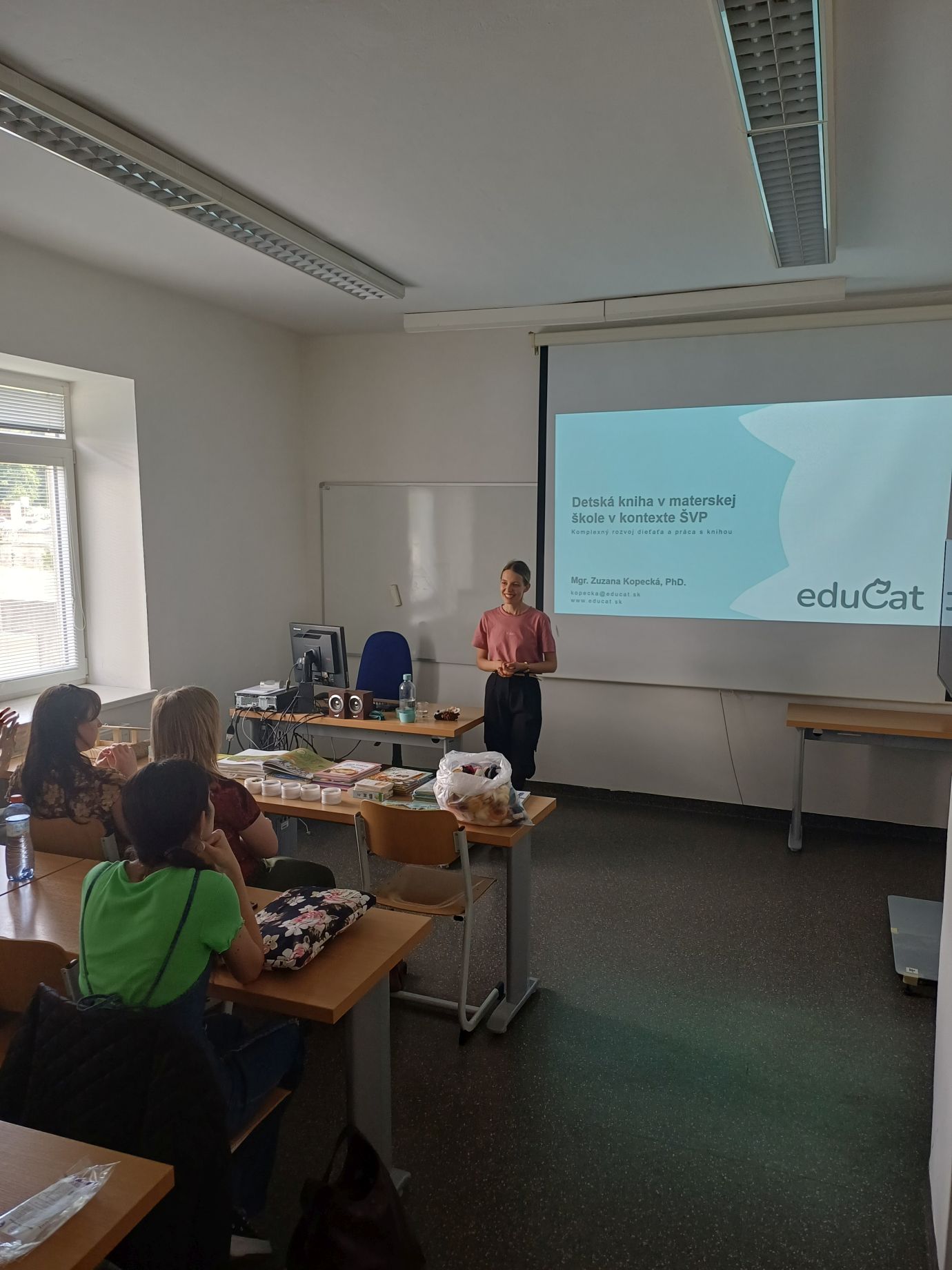
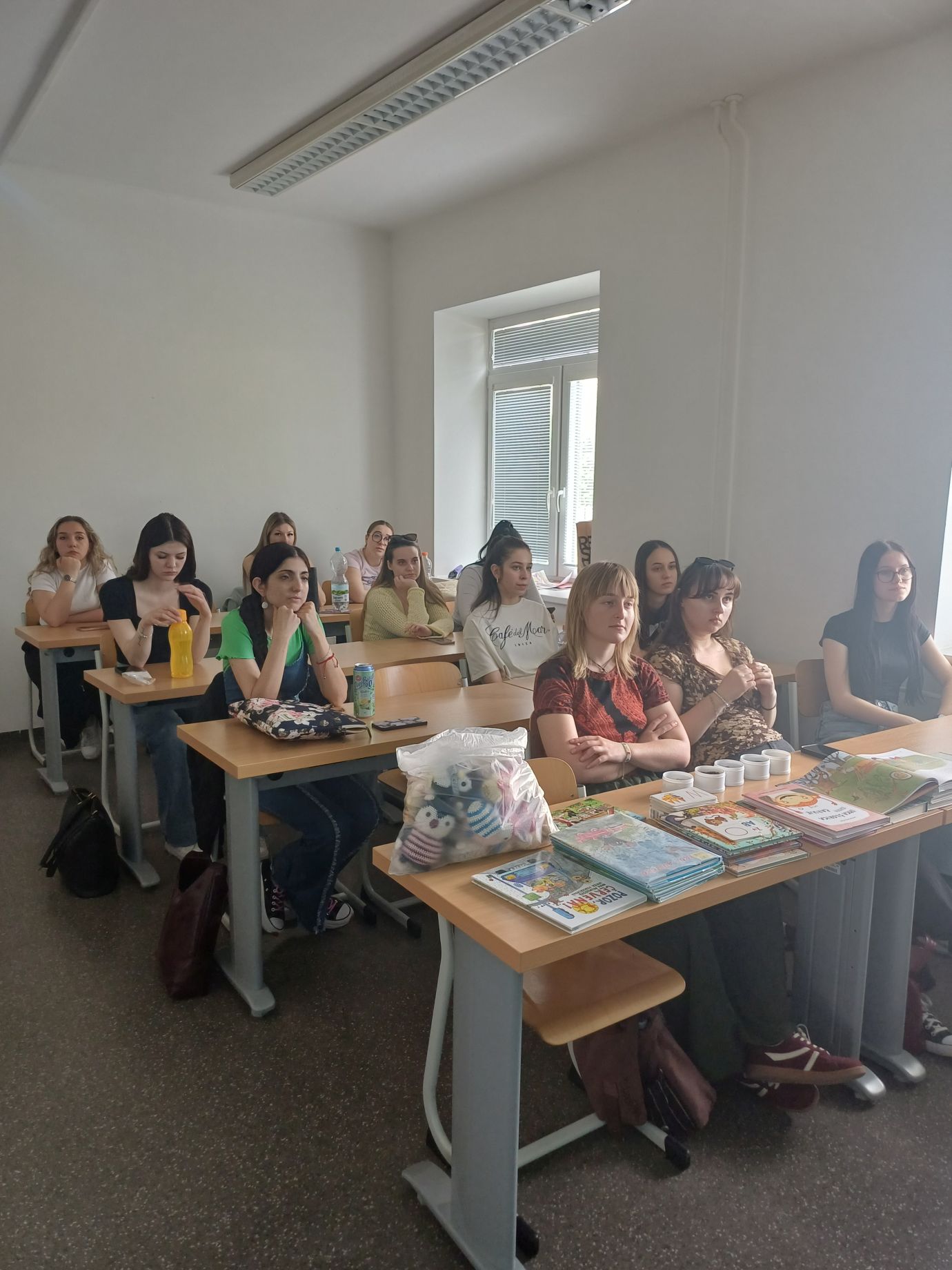
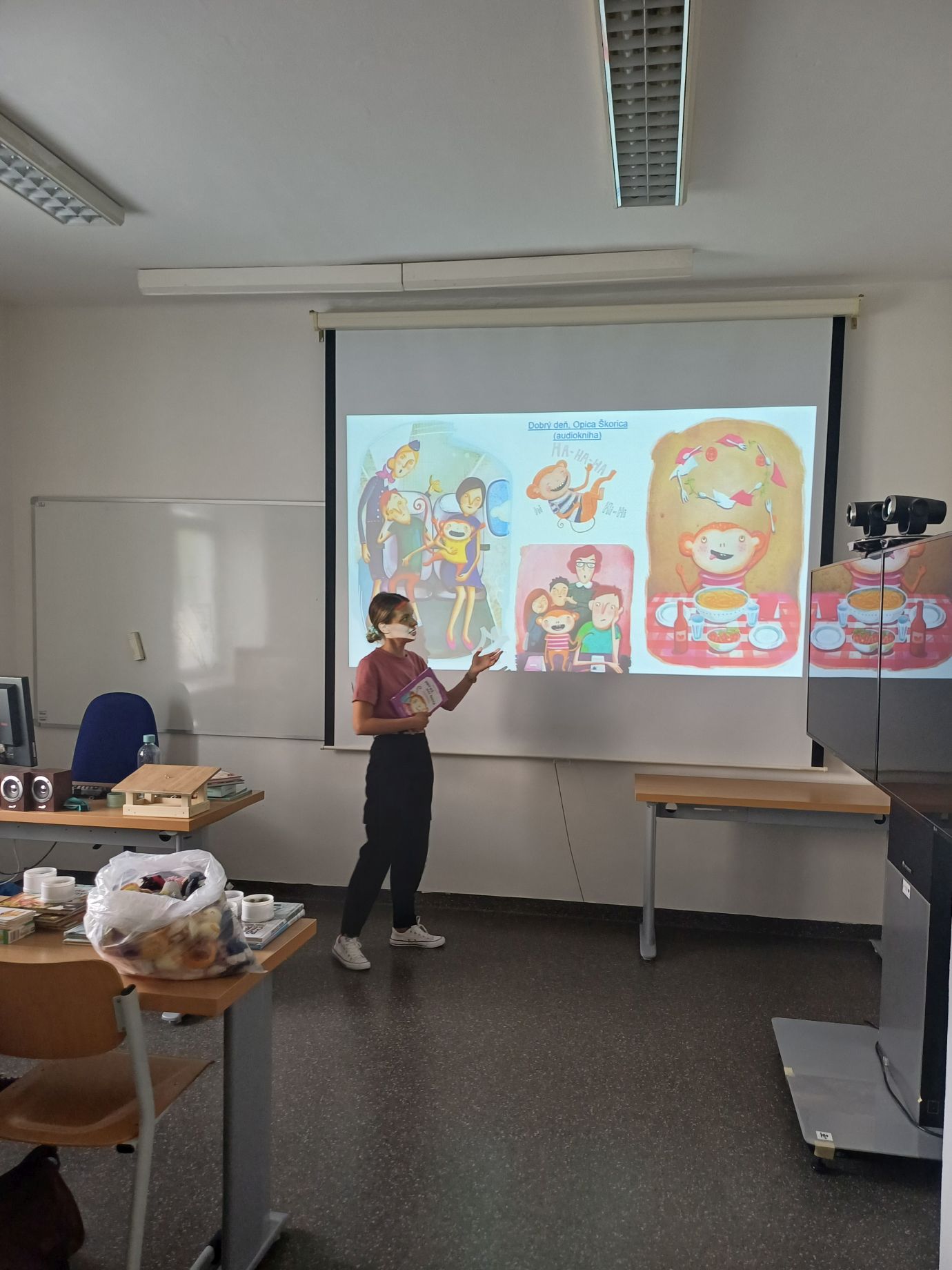
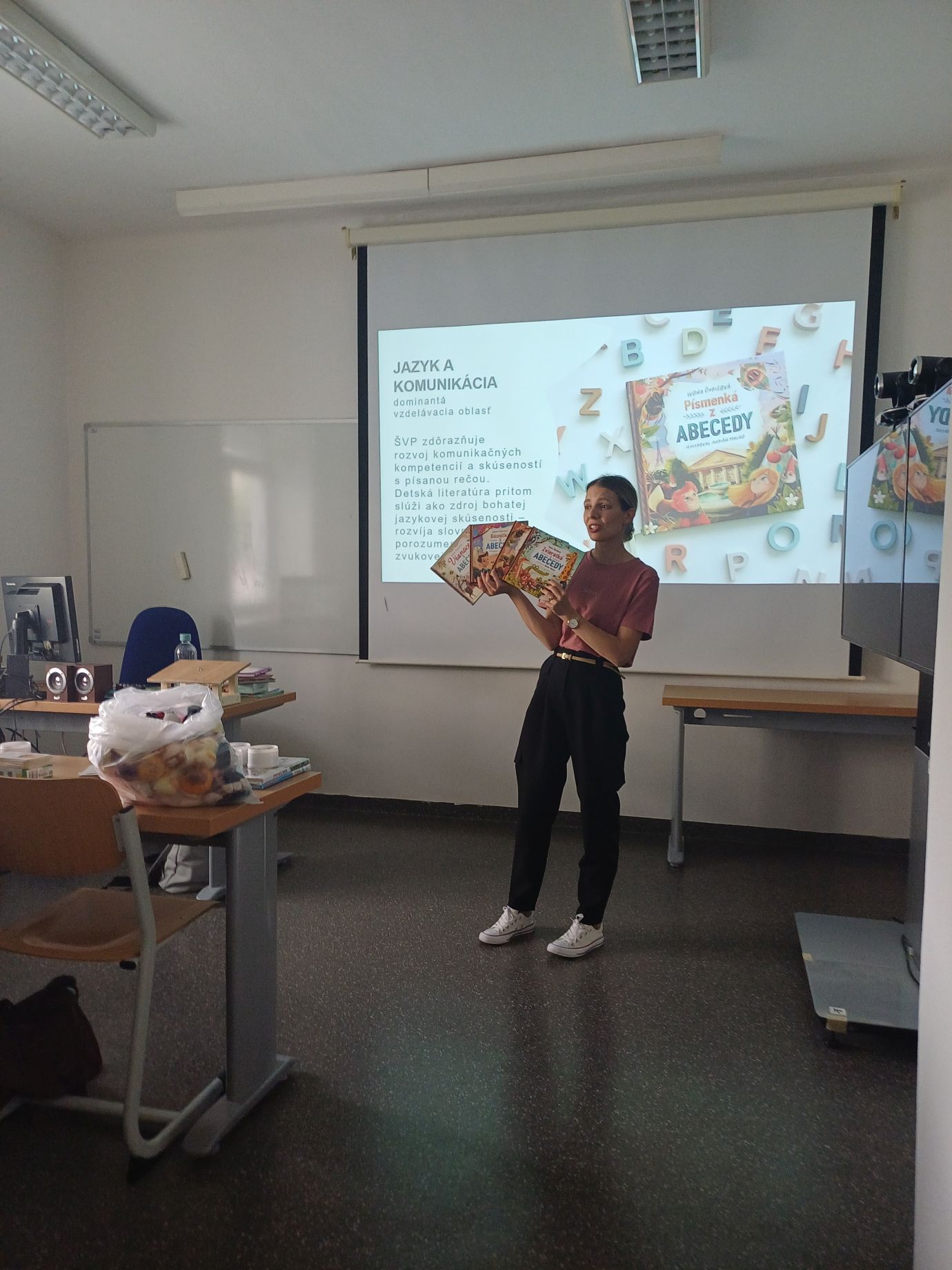
On 5 May 2026, students had the opportunity to participate in an engaging workshop entitled Detská kniha v materskej škole v kontexte ŠVP (Komplexný rozvoj dieťaťa a práca s knihou), led by Mgr. Zuzana Kopecká, PhD., from the EDUCAT educational centre, based at the Regional Cultural Centre in Nitra. She introduced students of Preschool and Elementary Pedagogy for Schools with Hungarian as the Language of Instruction, as well as students of Central European Area Studies, to creative ways of working with children’s literature both in school settings (kindergartens and primary schools) and in extracurricular environments (libraries, creative centres, cultural institutions, etc.). She emphasized the fact that children’s books are not only about reading; they are also tools through which children move, communicate, experience emotions, and create. It is not always only about which book we read, but above all about what we are able to practice with it or through it. Many books, in fact, provide inspiration for the development of creative thinking, dramatization, visual arts, or music. In addition to presenting a wide range of interesting books, she also brought various creatively designed methodological and didactic materials suitable for children of all age groups. In this way, she highlighted the importance of engaging as many senses as possible in the reception of texts intended for children. At the same time, however, she pointed out the need for a balanced use of such stimuli in order to avoid overstimulation of the child’s mind.
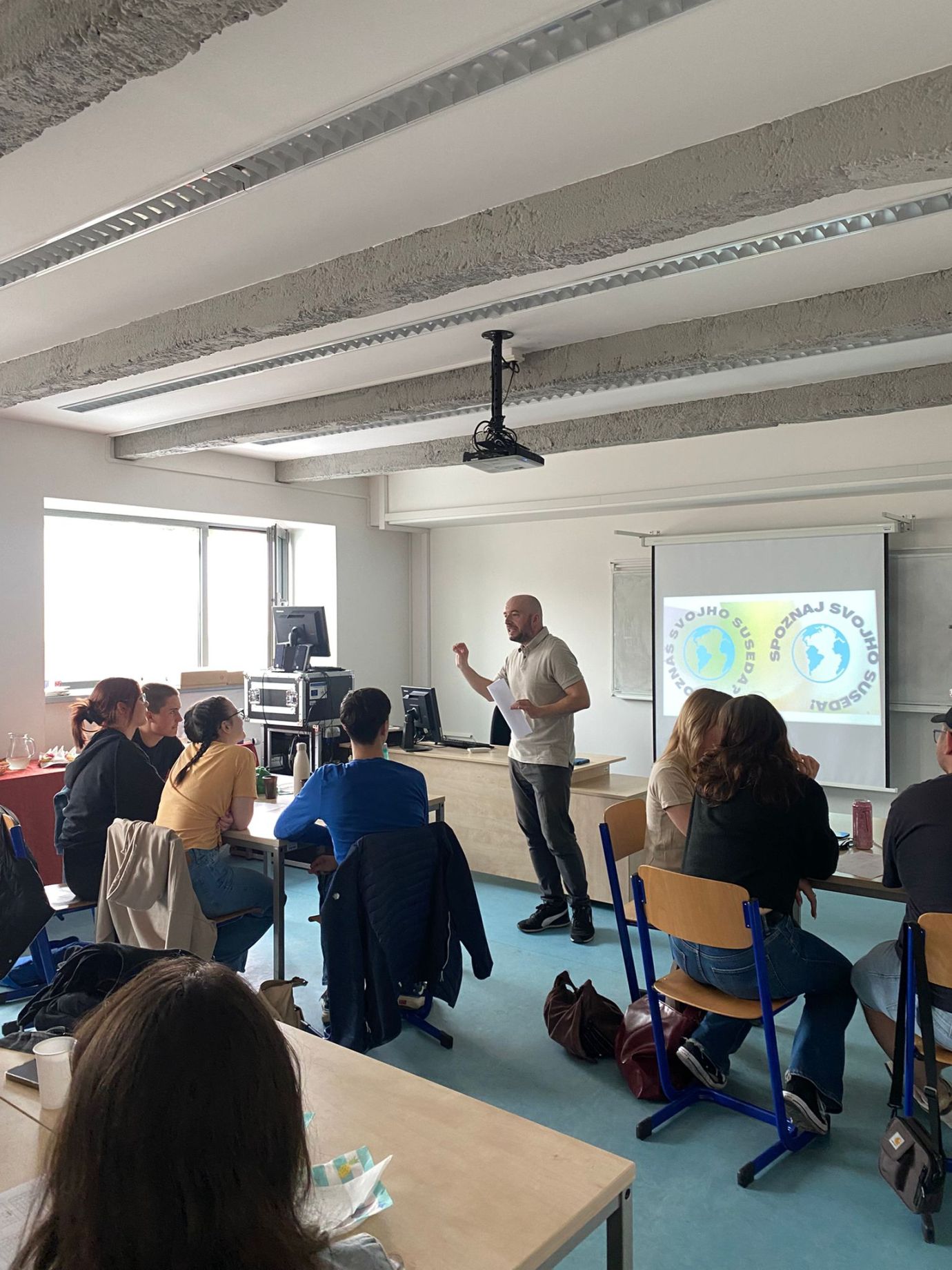
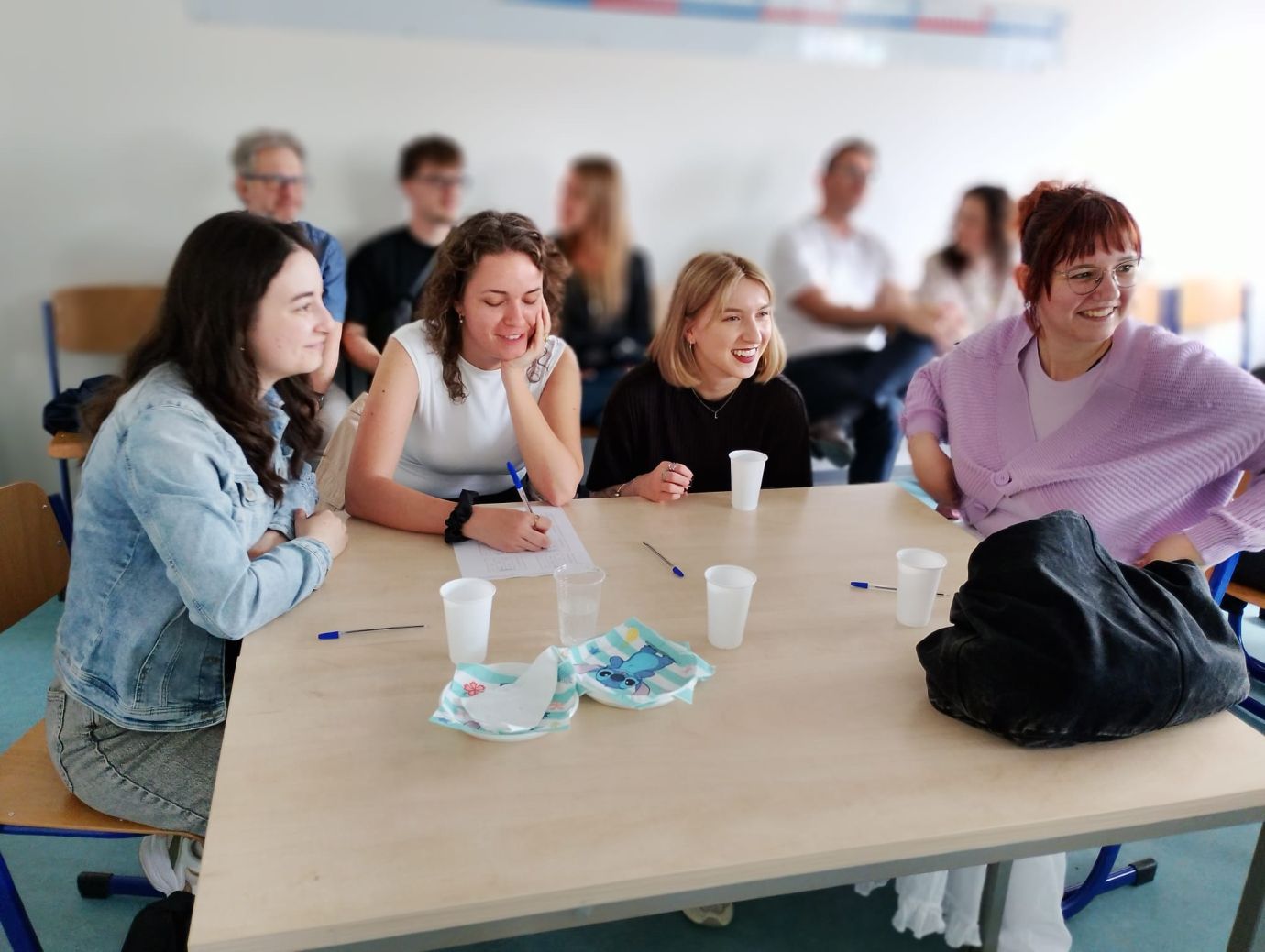
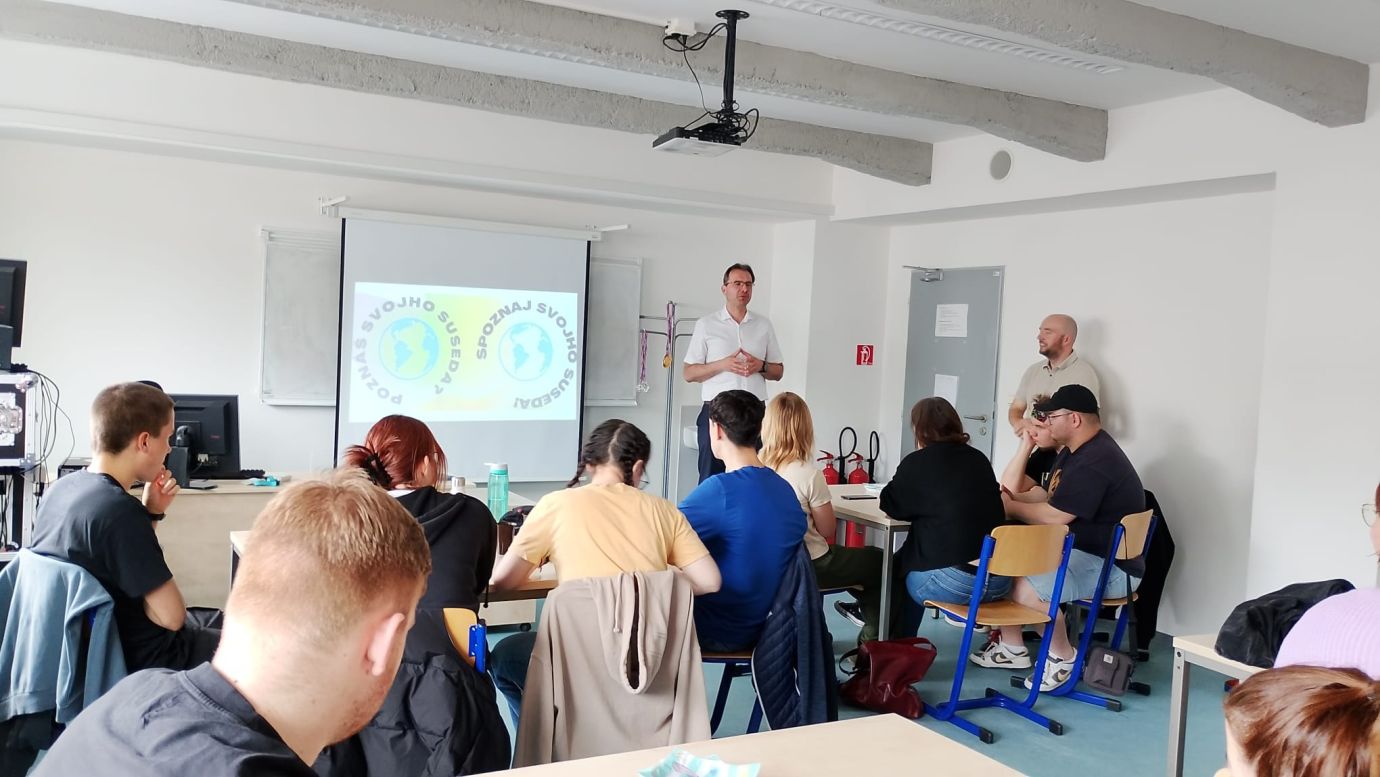
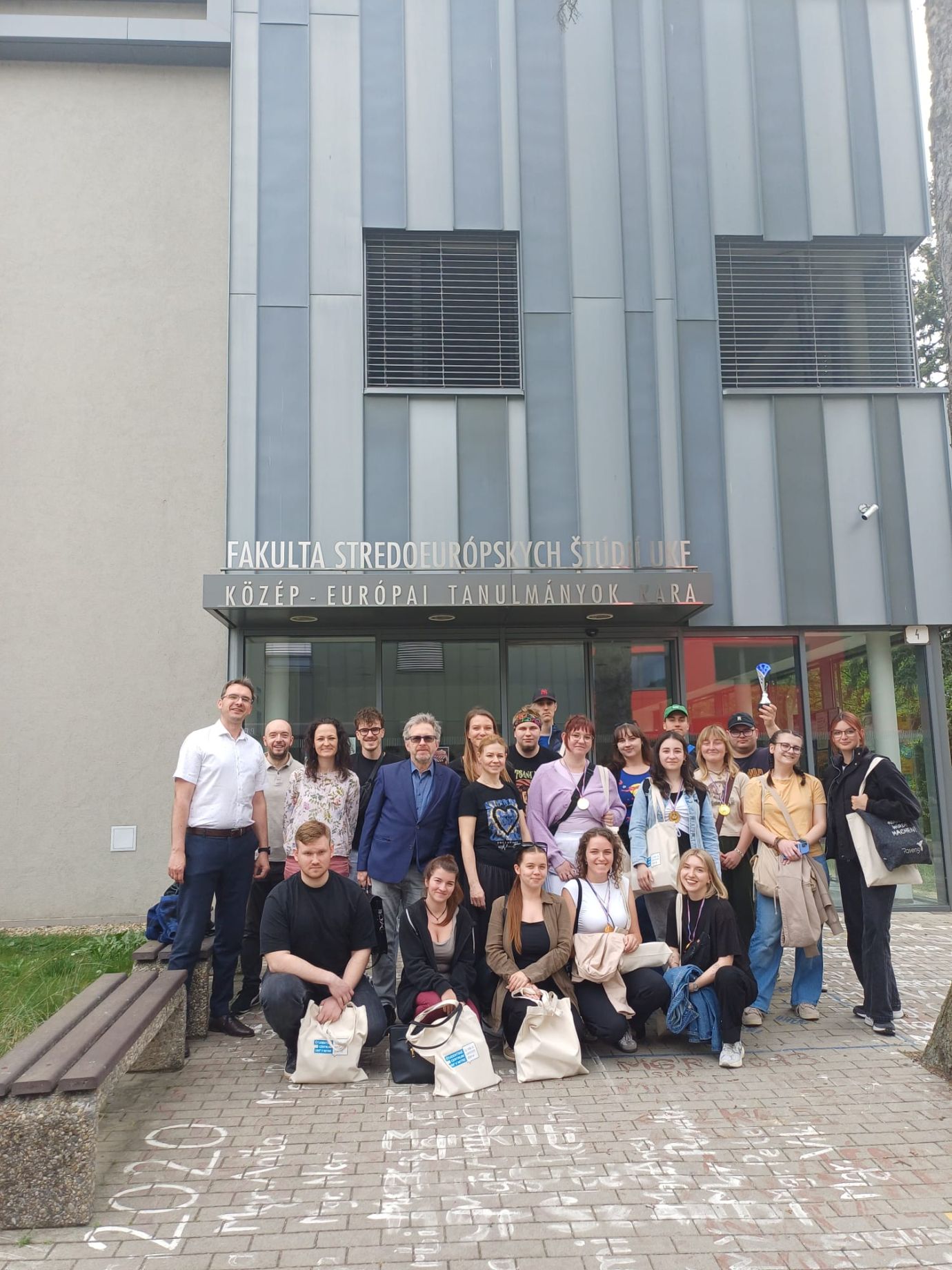
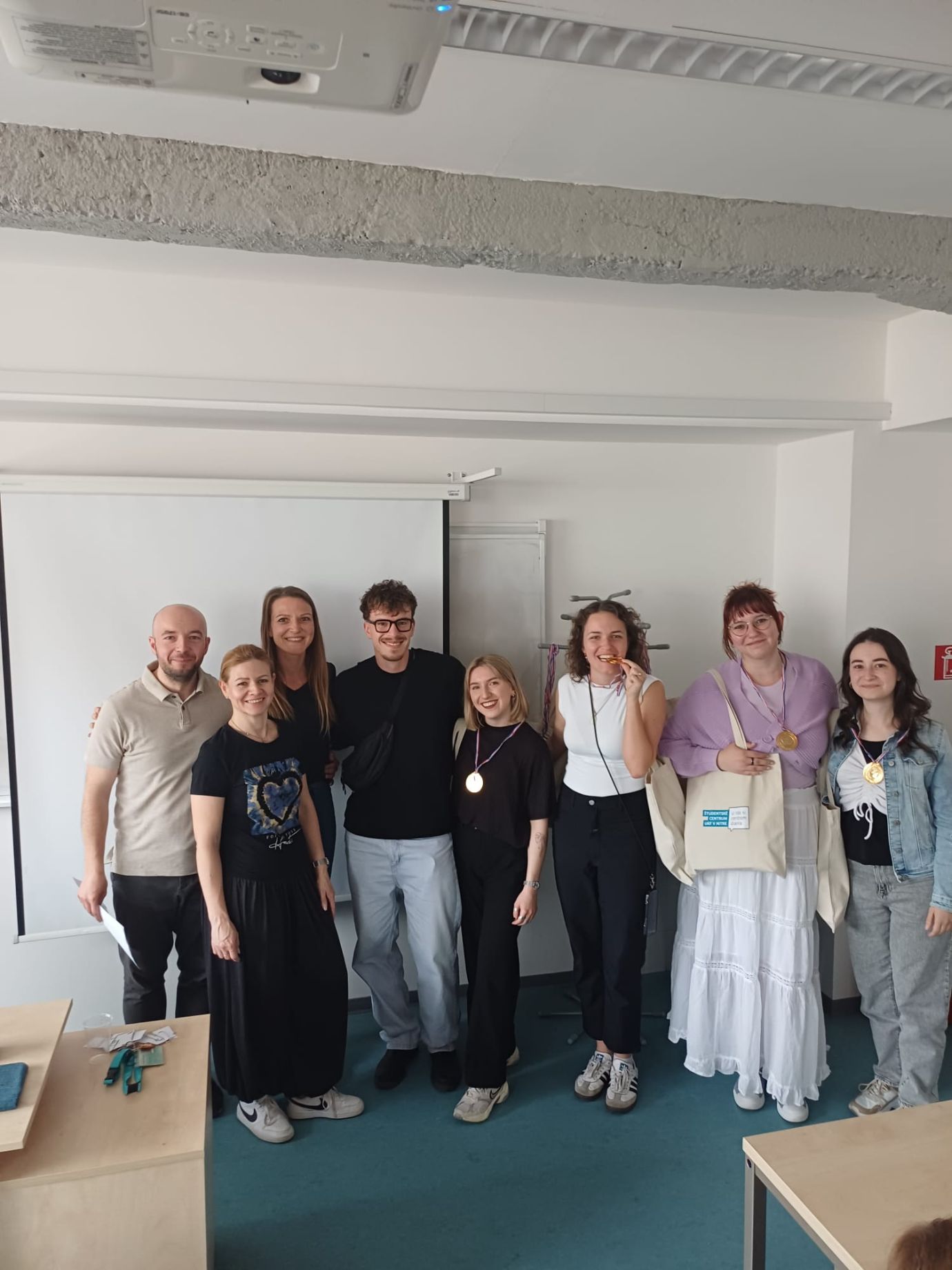
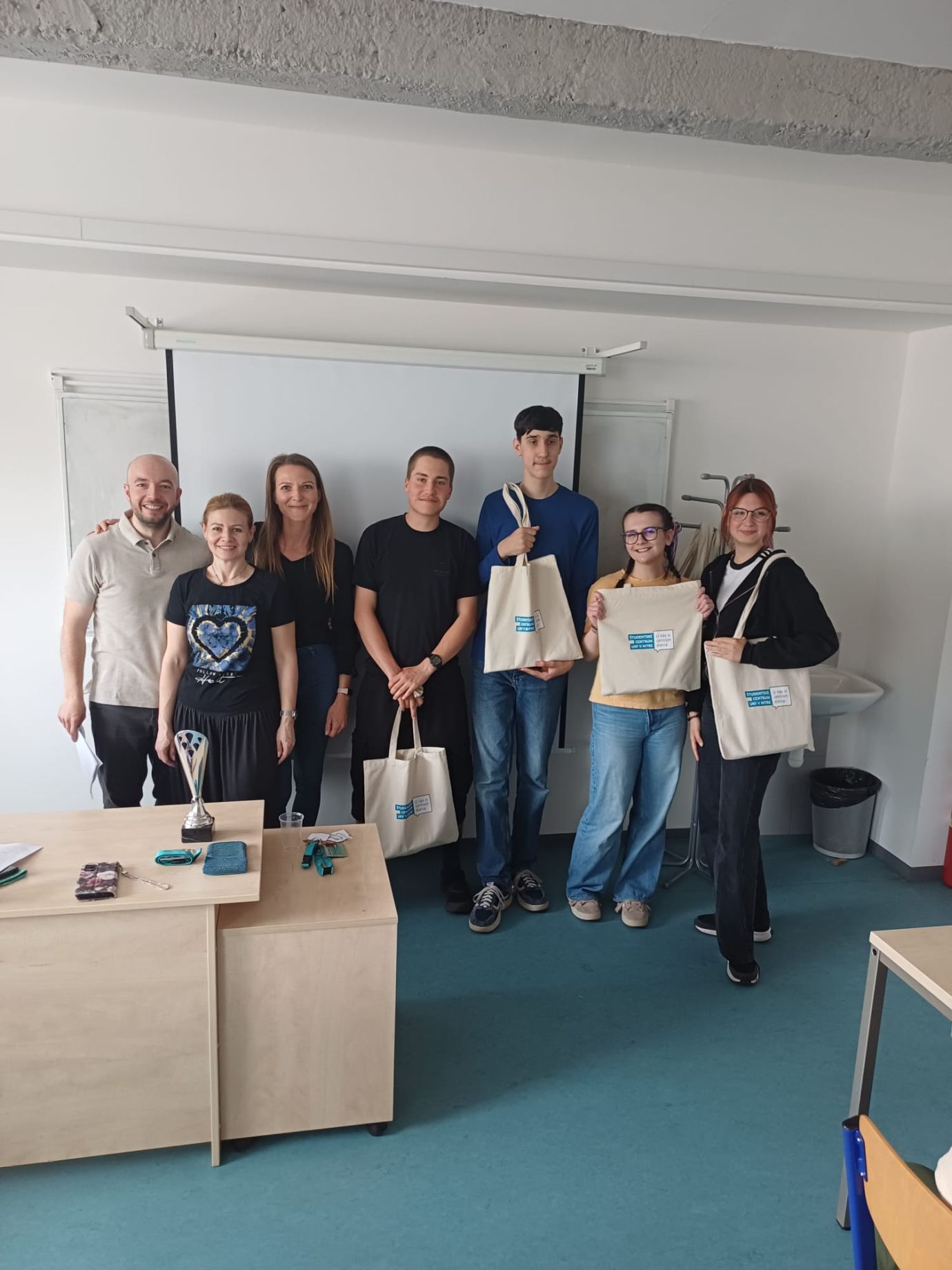
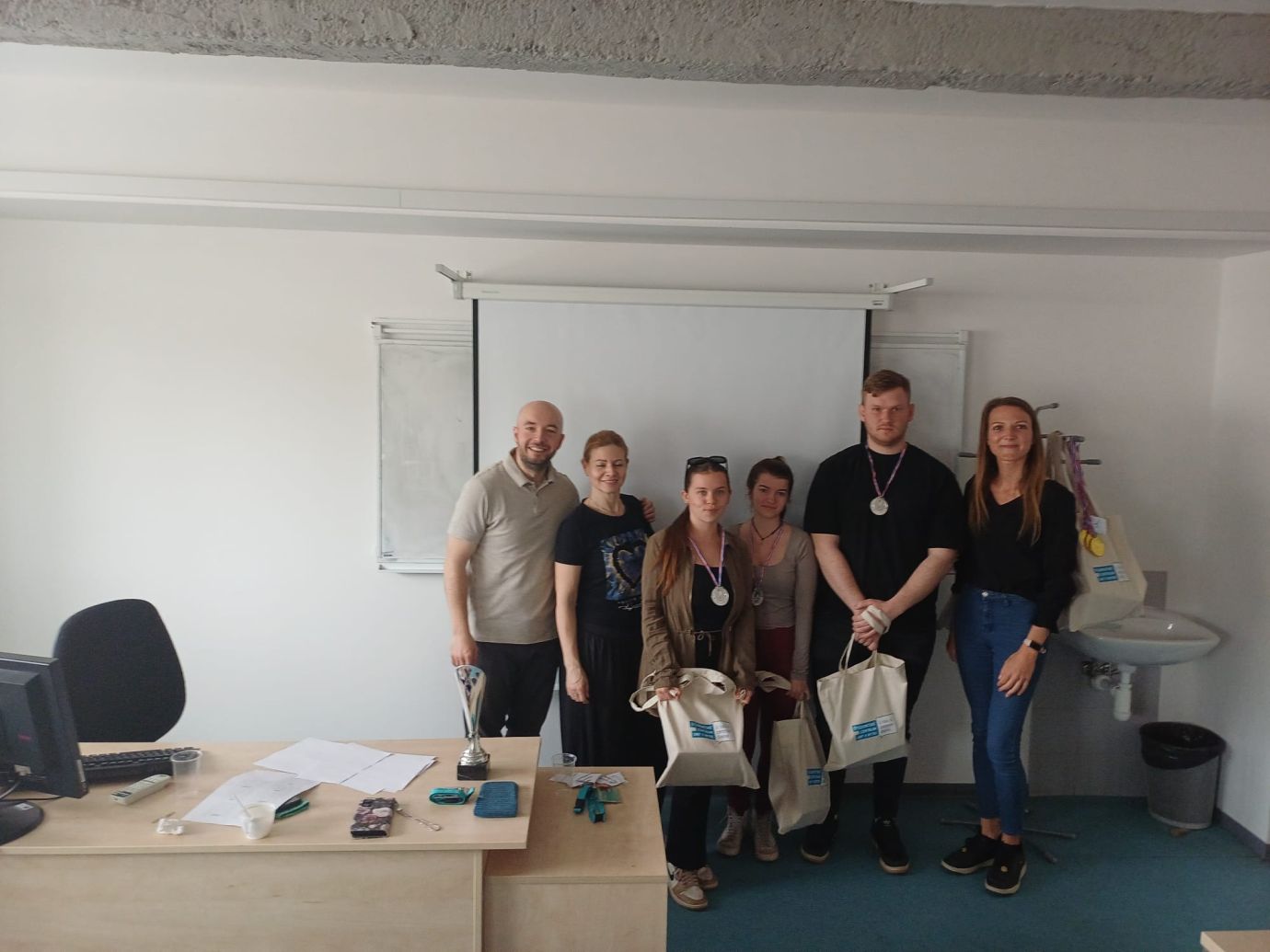
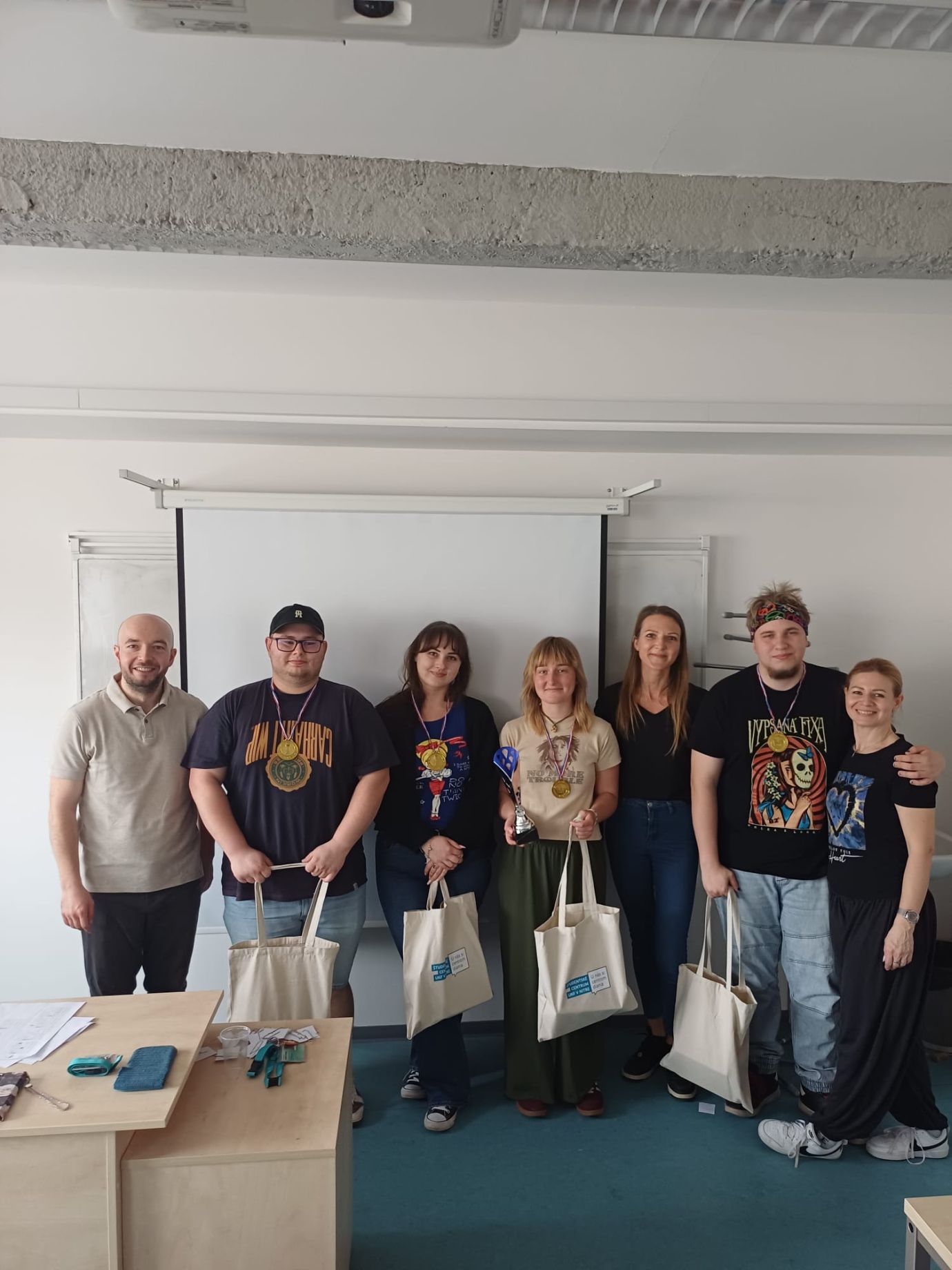
On 7 May 2026, the second edition of the student quiz Poznáš svojho suseda? – Spoznaj svojho suseda! took place. Its aim was to test — and undoubtedly enrich — students’ knowledge of the history, literature, film, geography, music, architecture, and sports of Central European countries in an entertaining way. This year, the participants included students from the Sts. Cyril and Methodius Grammar School in Nitra, the Department of Translation Studies of the Faculty of Arts at CPU, the Department of Tourism of the Faculty of Central European Studies at CPU, as well as representatives of the organizing Institute of Central European Languages and Cultures of the Faculty of Central European Studies at CPU. As noted in his opening speech by the Director of the Institute of Central European Studies, doc. PhDr. Ján Gallik, PhD., this year’s edition truly bore the hallmark of “Central European spirit,” since the contestants included representatives of Slovak, Czech, and Hungarian nationalities. The second part of the programme featured a screening of the co-produced film All My Loved Ones (Všichni moji blízcí), which, through the fictional story of the Jewish Silberstein family, presents the real-life figure of Nicholas Winton. At the end of 1938, Winton carried out his plan to rescue nearly 700 Jewish children who would most likely not have escaped the tragic fate prepared for them by Nazi ideology. The choice of film was not accidental, since the day after the quiz — 8 May — Slovakia commemorates the end of the Second World War through the national holiday Victory over Fascism Day. Judging by the atmosphere that prevailed throughout the event, as well as by the reactions of the participants, it can be concluded that organizing this quiz is meaningful and worthwhile in the future as well. At the same time, we would like to express our gratitude to Constantine the Philosopher University in Nitra for its financial support, provided on the basis of a project submitted within the scheme supporting cultural and sports activities, which helped make the quiz possible.
Textu: doc. PhDr. Ján Gallik, PhD. – Mgr. Michal Krauter, PhD.
Photo: archive of the Institute of Central European Languages and Cultures