

Erasmus+ BIP: Digital Beginnings
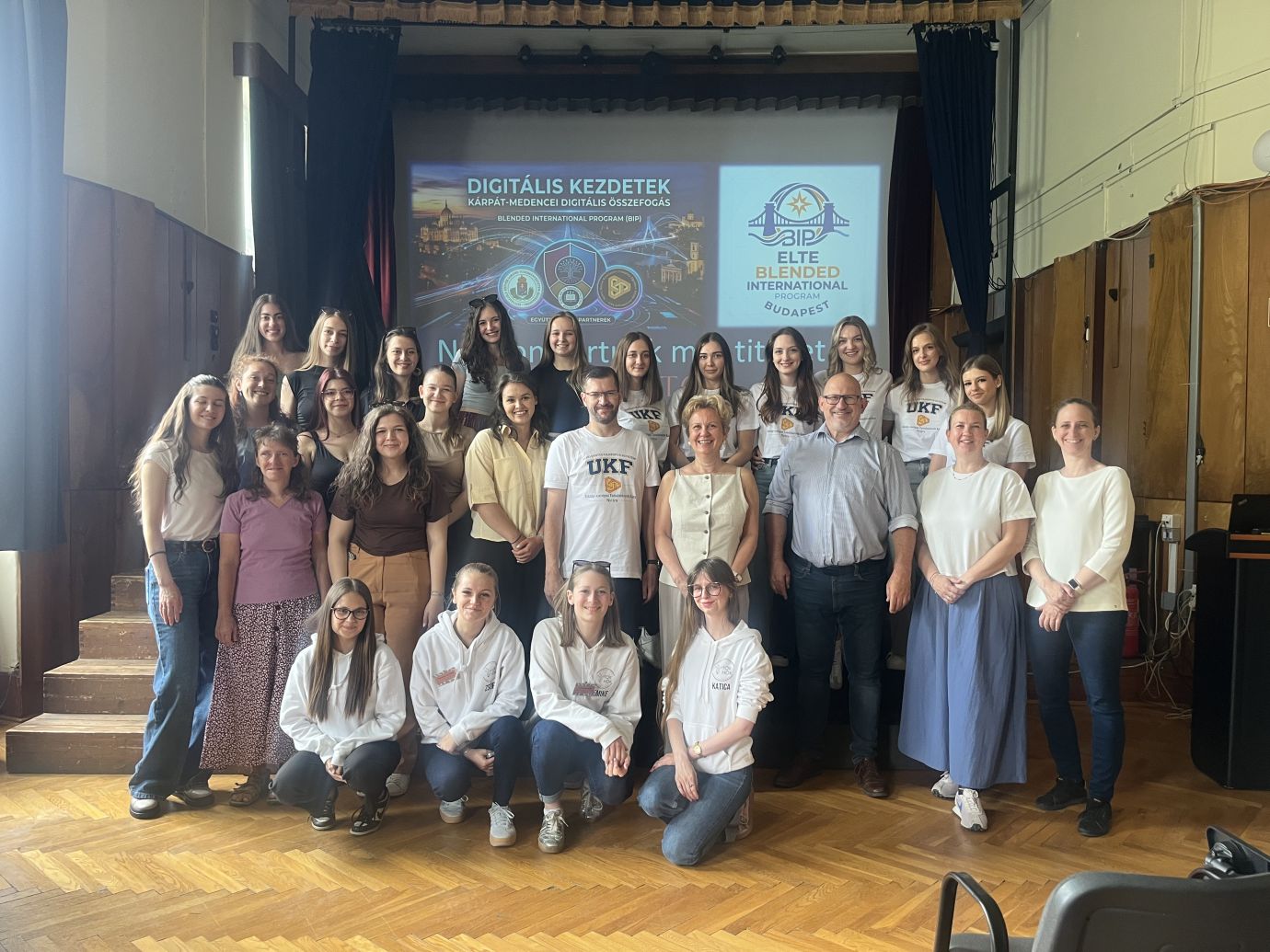
A year ago, in June, our university and faculty hosted the first Erasmus+ Blended Intensive Programme (BIP), which focused on innovative opportunities for developing algorithmic thinking. One of the key contributors to the programme was András Lénárd, Vice Dean for Strategic Affairs at the Faculty of Primary and Pre-School Education of Eötvös Loránd University (ELTE TÓK). Inspired by the experiences and insights gained during that programme, ELTE TÓK hosted this year’s Erasmus+ BIP, titled Digital Beginnings, in which our institution was represented by six students from the Preschool Education and Primary Education programmes, along with one faculty member. In addition to our delegation, students from ELTE TÓK and Babeș–Bolyai University in Cluj-Napoca also participated in the programme.
The programme focused on the use of digital technologies by children aged 4–10, the development of digital competencies, and opportunities for conscious, age-appropriate digitalisation. The first meeting took place online on 28 May 2026. During this session, the in-person mobility programme was presented in detail, and participants had the opportunity to get acquainted with the lecturers and one another. The virtual meeting concluded with András Lénárd’s lecture titled Digital Opportunities in Early Childhood.
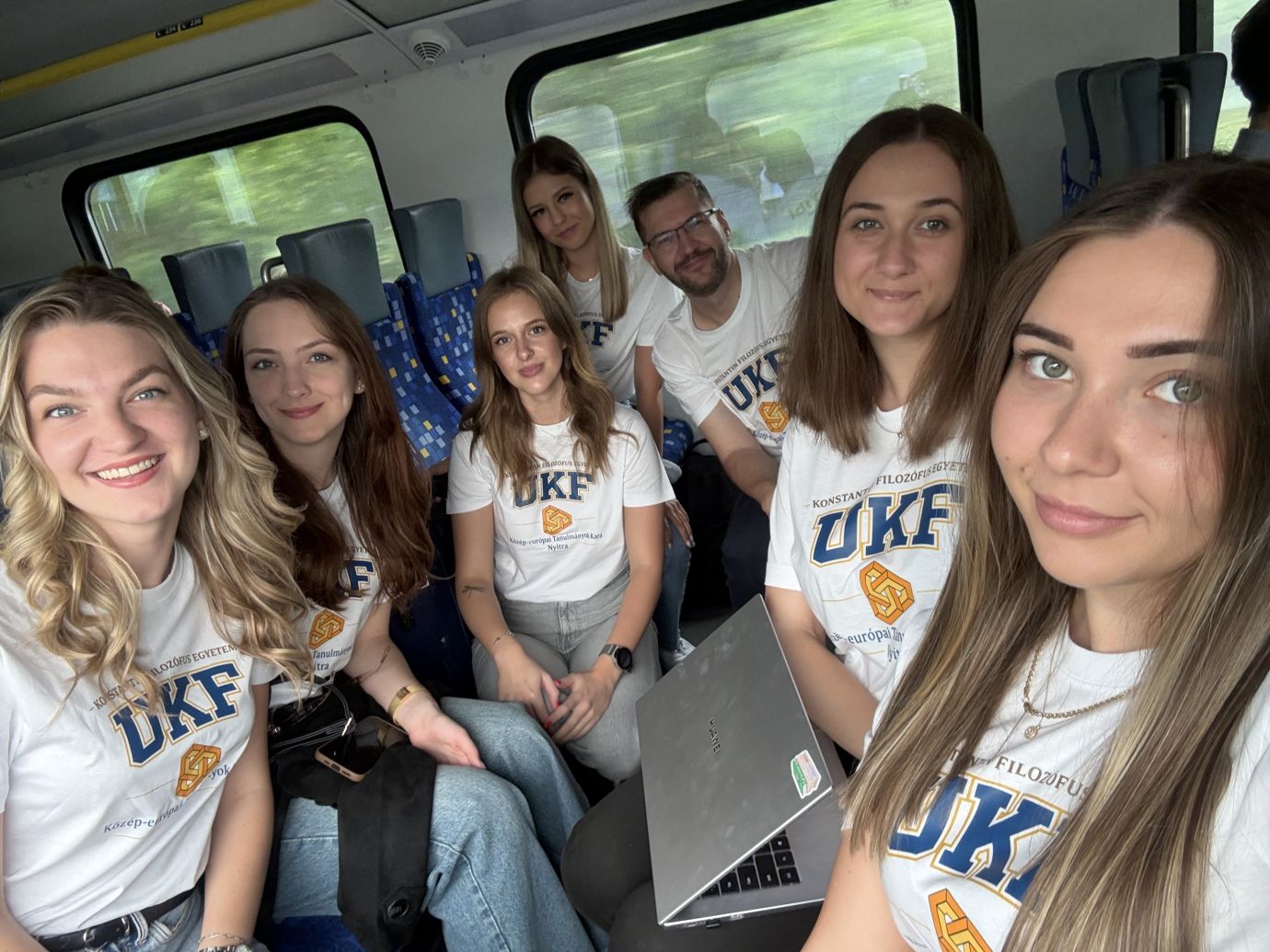
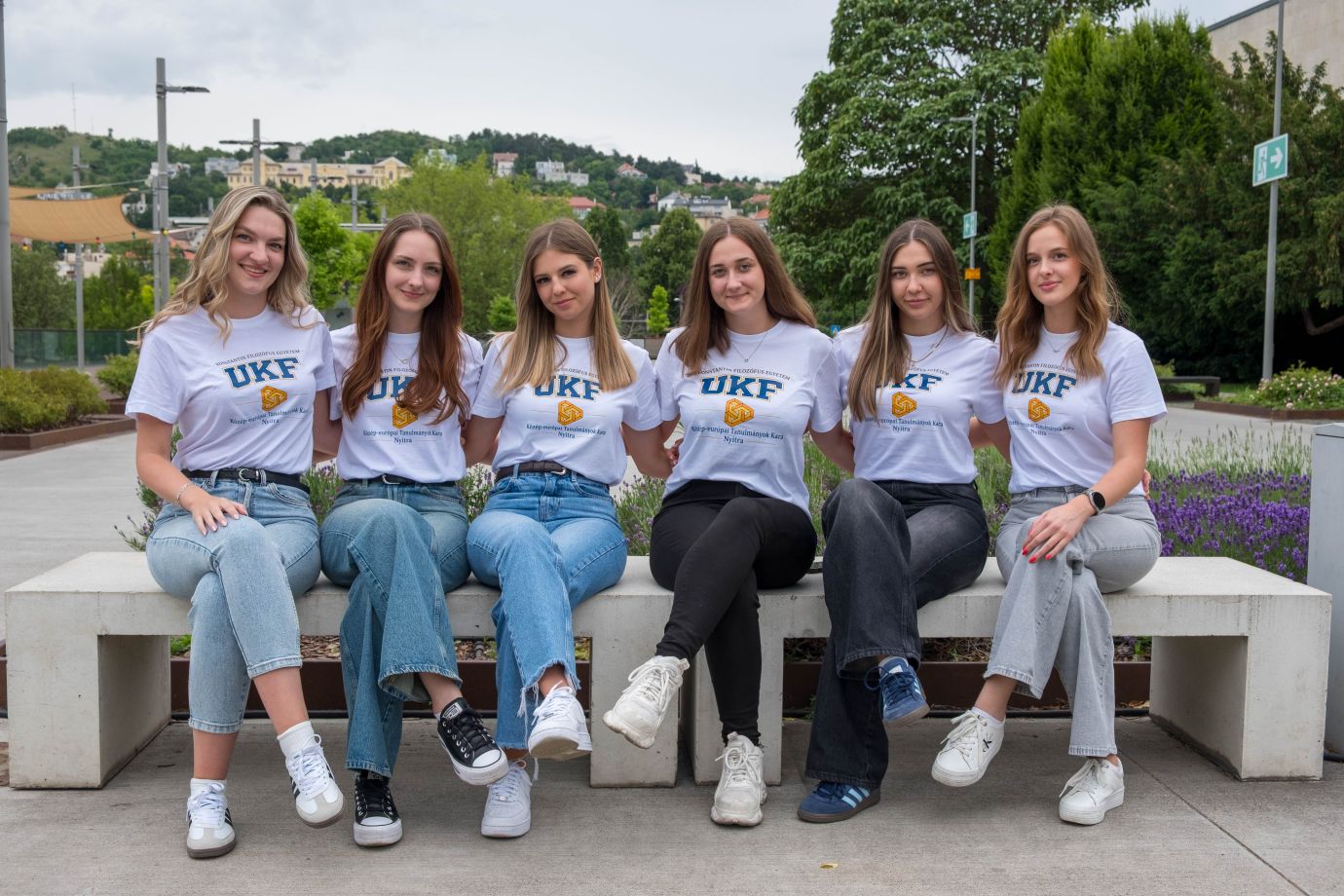
The main part of the programme took place in Budapest from 1 to 5 June 2026. The Nitra team travelled together to the venue, and, to reinforce a sense of unity, we all arrived wearing matching T-shirts specially designed for the occasion (for which we would like to thank Fanny Rákász). This further strengthened our sense of community and belonging.
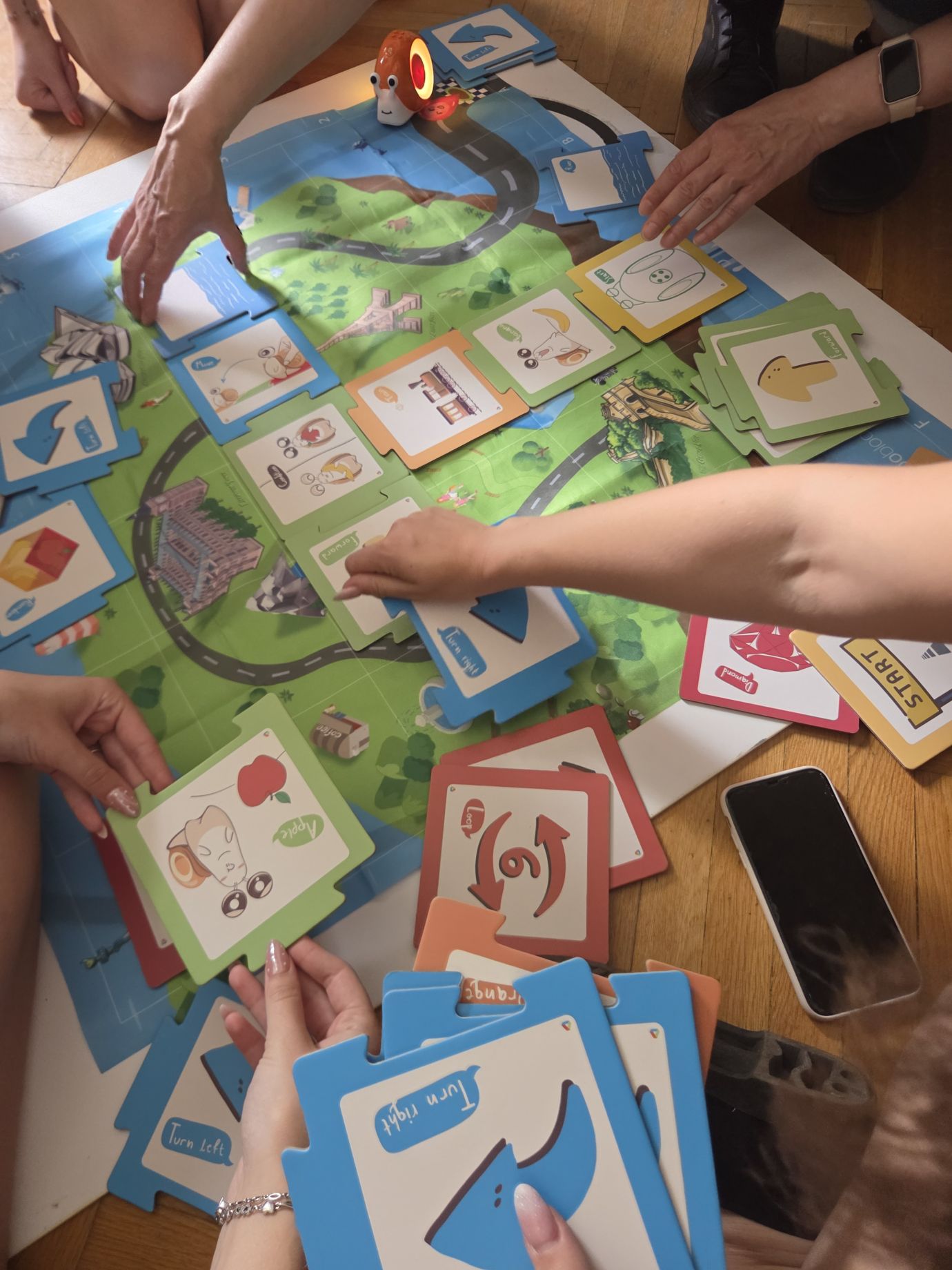
The opening session consisted of two parts. First, Dean Éva Márkus and Vice Dean András Lénárd welcomed the participants. Afterwards, students from the participating universities introduced their institutions and presented how the programme’s theme might have appeared in different historical periods. Participants had already been preparing for this creative task during the previous week. The daily programme highlighted the importance of the STEM approach, and we also had the opportunity to try out various unplugged coding and logic games that play an important role in developing algorithmic thinking.
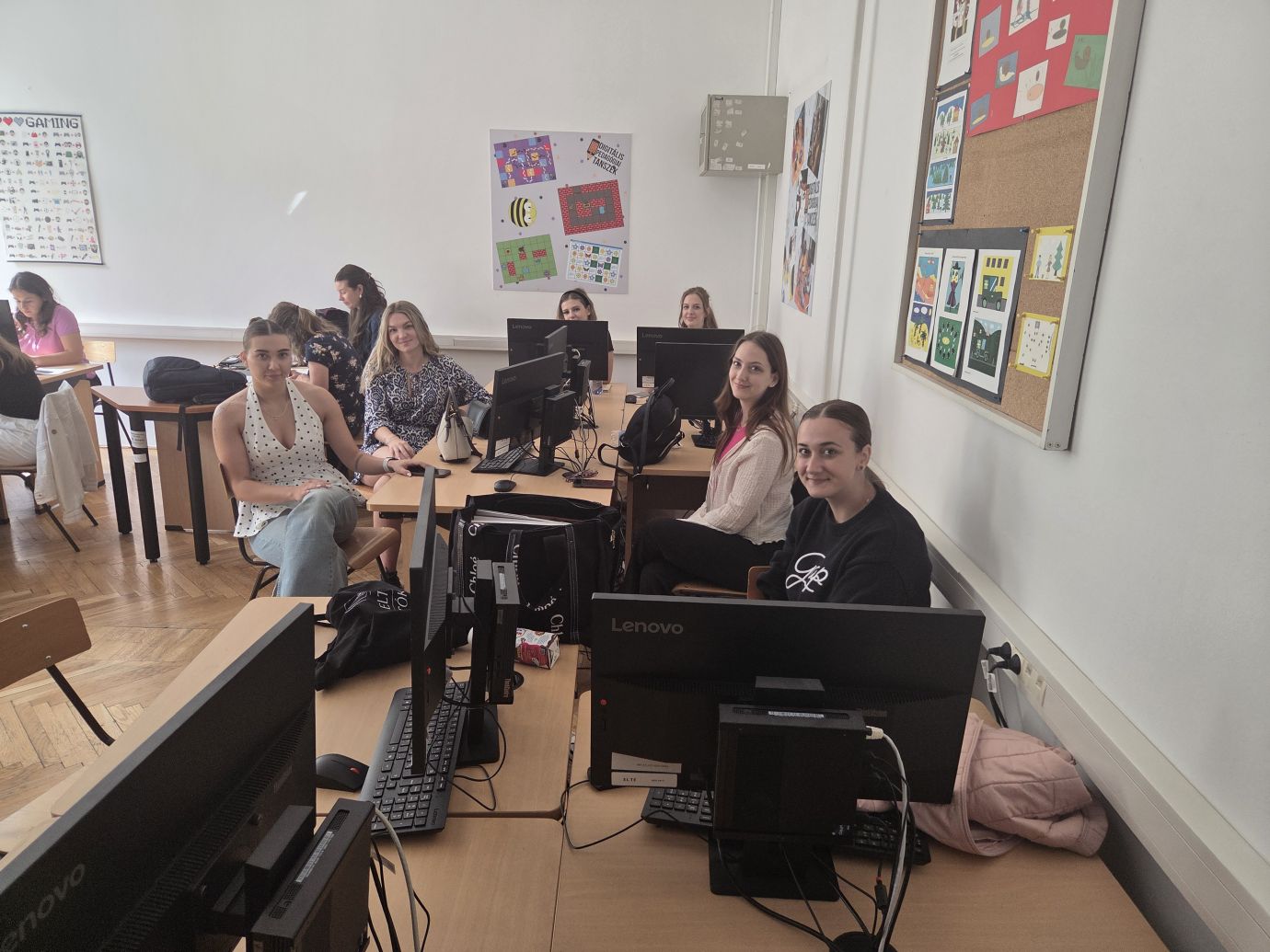
The second day continued under the guidance of Gyöngyi Sarbó and Nikolett Turzó-Sovák. In their presentations, they emphasised the importance of digital culture in teacher and pre-school teacher training and offered insights into textbook writing. Afterwards, we visited the Faculty’s Robotics Laboratory, where we explored a range of educational robotics tools, digital devices, and board games designed to develop children’s logical and algorithmic thinking in a playful way. These activities seamlessly integrate learning into the tasks, allowing children to acquire new knowledge and skills almost without noticing. In our future teaching practice, we would be delighted to incorporate similar educational games, especially those we encountered during the BIP programme. The day concluded with an exciting escape room challenge, the successful completion of which required strong problem-solving skills and algorithmic thinking.
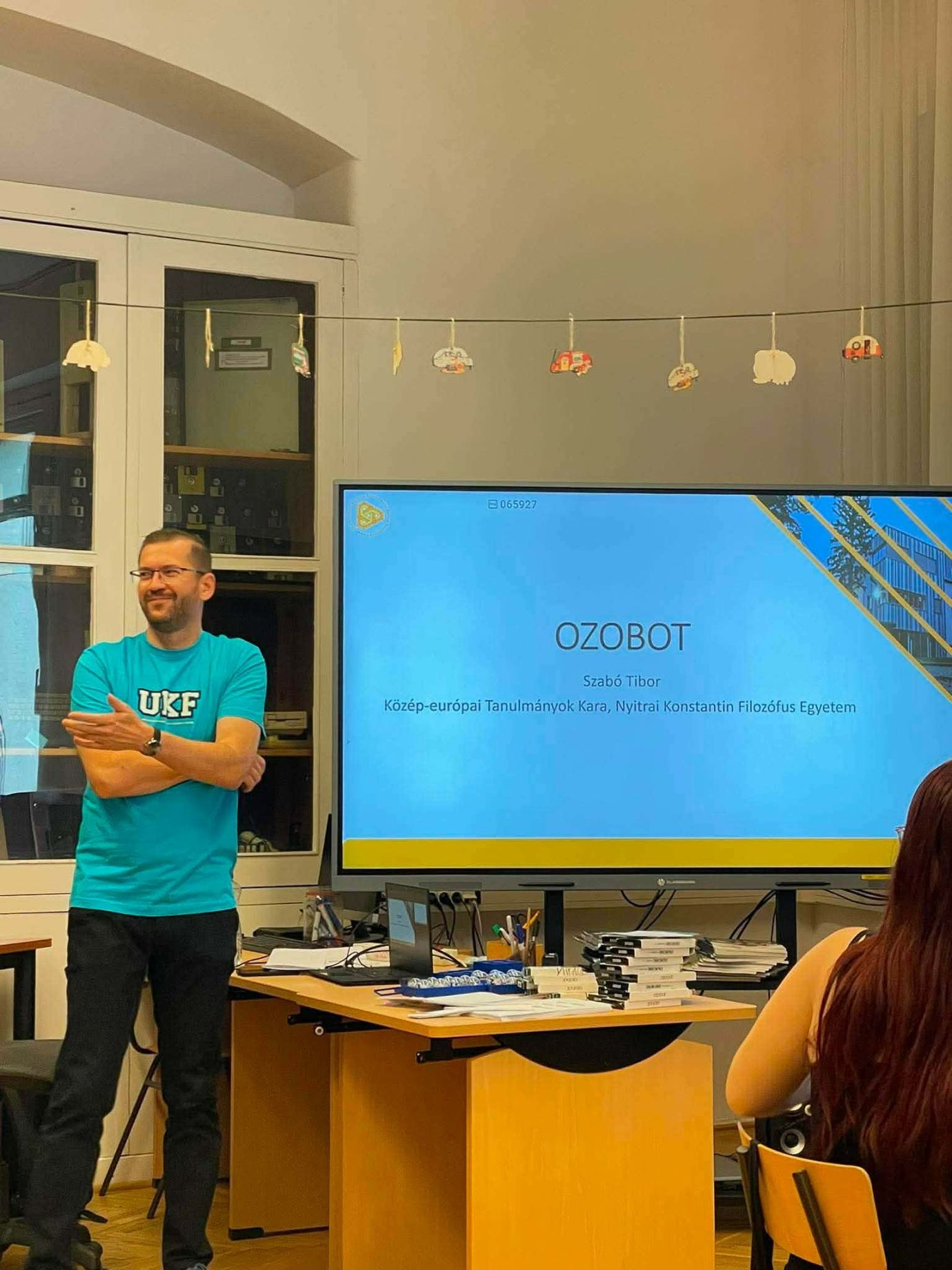
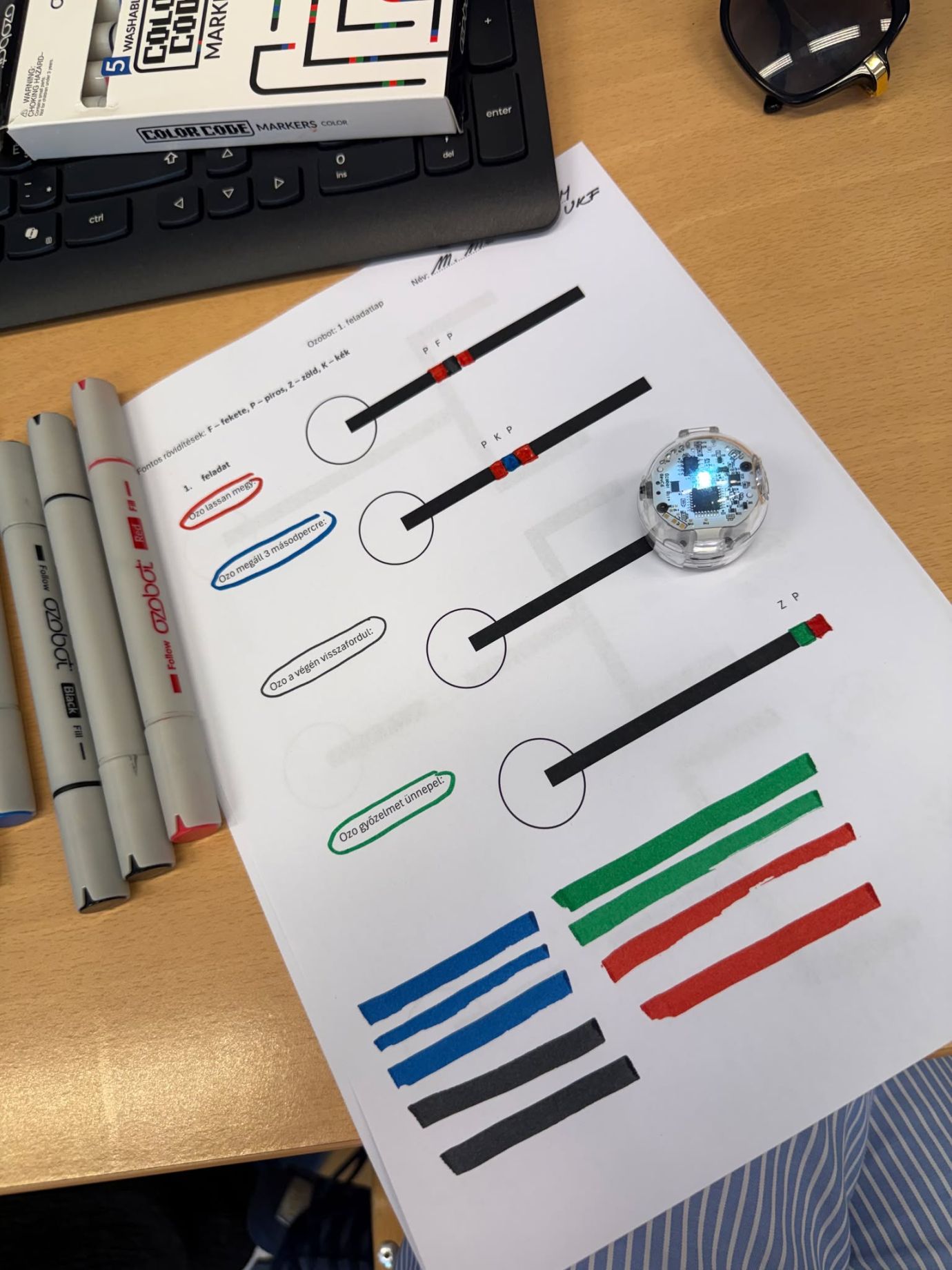
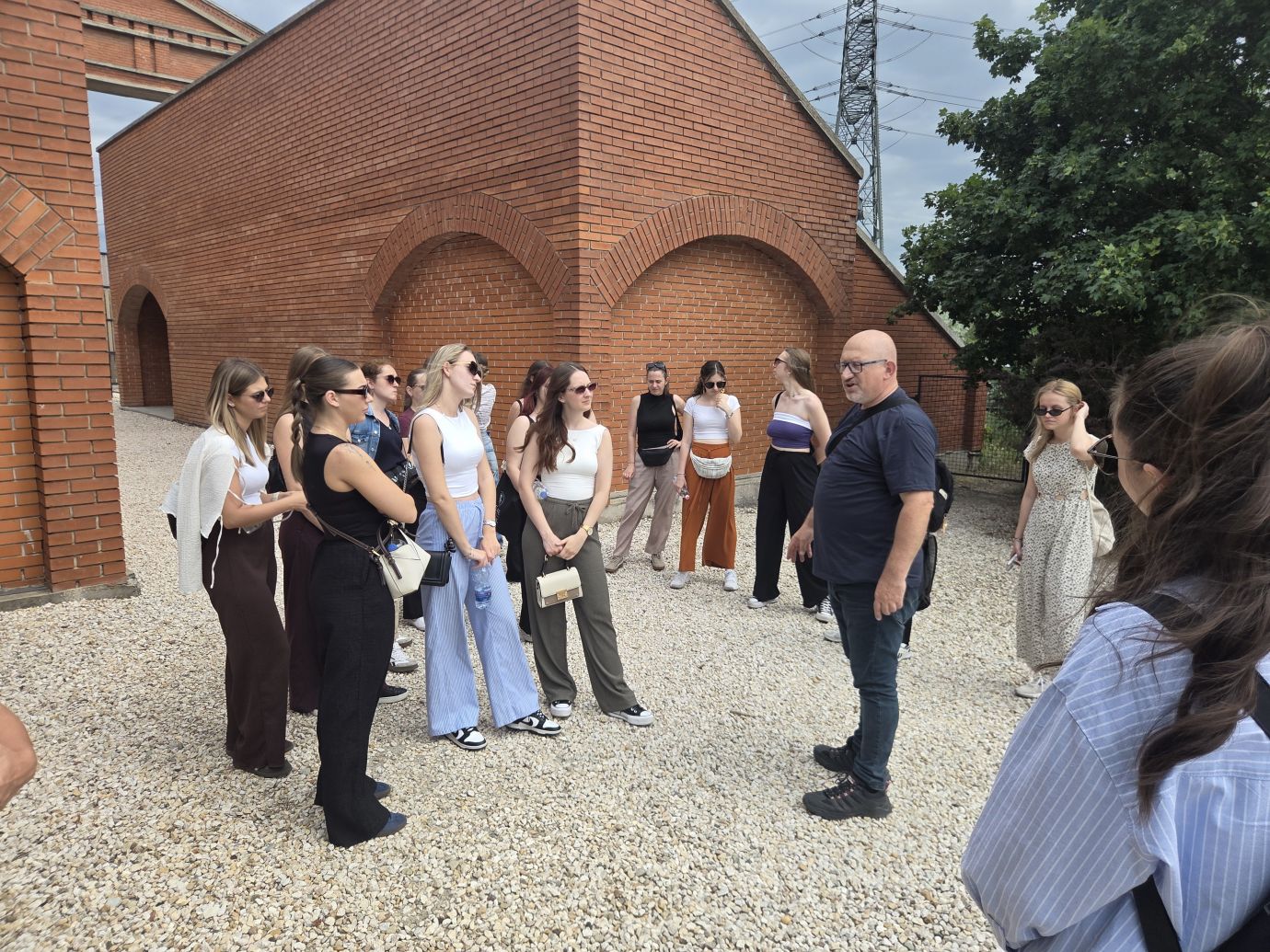
The Faculty of Central European Studies organised the academic programme for the following day. Participants became acquainted with Ozobot robots and had the opportunity to experiment with them through a range of practical activities. The workshop was followed by a visit to Memento Park and a geocaching tour.
On the penultimate day, we applied the knowledge we had acquired throughout the week by developing our own projects. The work was carried out in four groups comprising students from all participating universities, thereby encouraging international collaboration. After a productive day of professional work, we took part in a cultural programme that included a visit to the Hospital in the Rock.
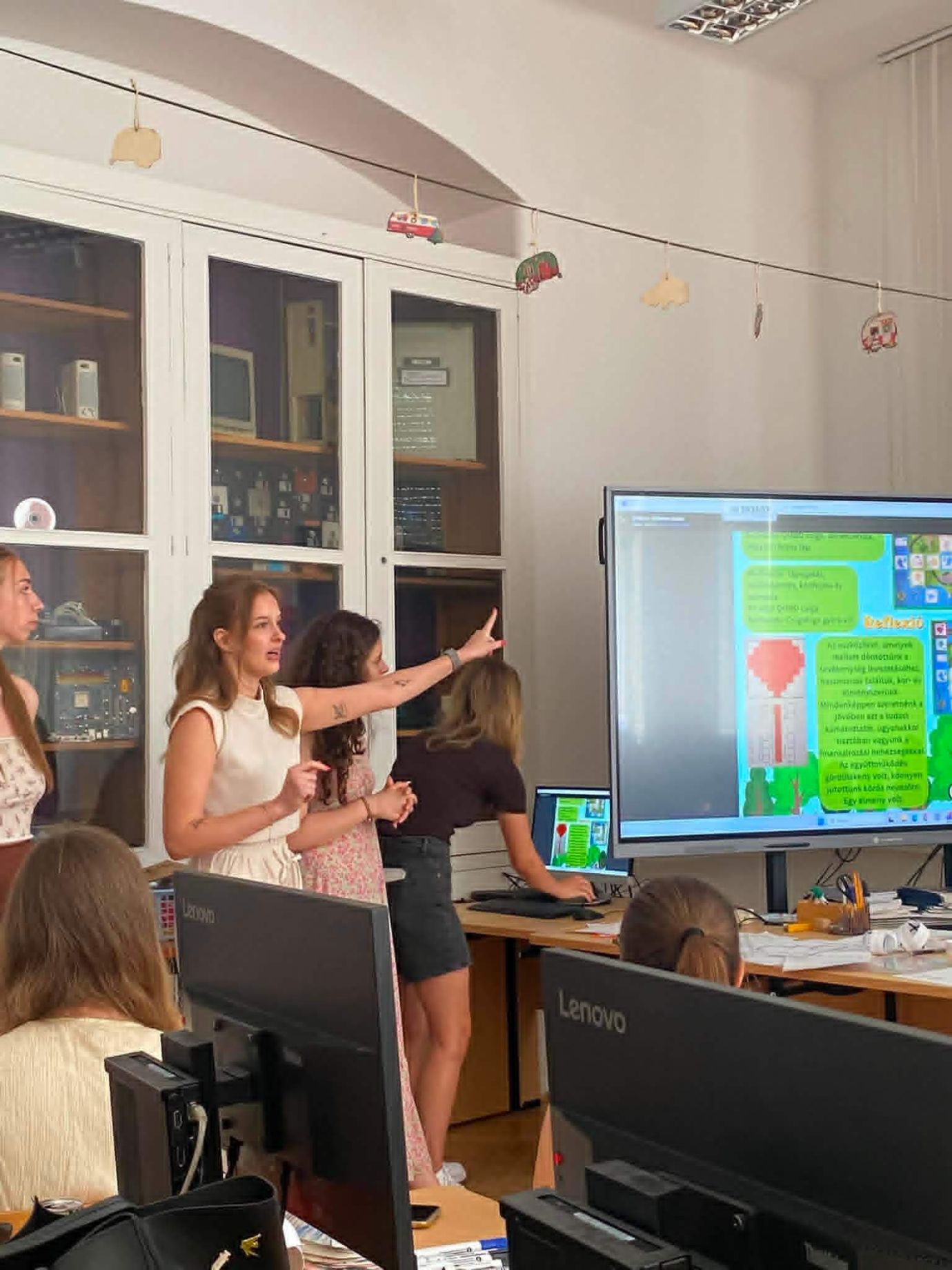
The most important event of the final day was the presentation of the projects, which demonstrated how well we had understood and applied the knowledge gained during the week. Each group designed activities using unplugged methods and digital and robotic tools, combining them with a high level of pedagogical awareness and creativity.
We would like to express our gratitude for the opportunity to participate in this exceptionally valuable programme. We hope that similar initiatives will continue in the future, and we are eager to see which partner institution will organise next year’s Erasmus+ BIP programme on this topic. We sincerely hope to have the opportunity to participate again.
We believe that this programme serves as an excellent example of the importance of international relations and cooperation between universities, as such initiatives provide participants not only with professional development but also with valuable human and cultural experiences.

Text: Fanny Rákász anf Melissa Markotán
Photo: BIP Archive