

Our PhD Students’ Traineeship at the University of Tartu
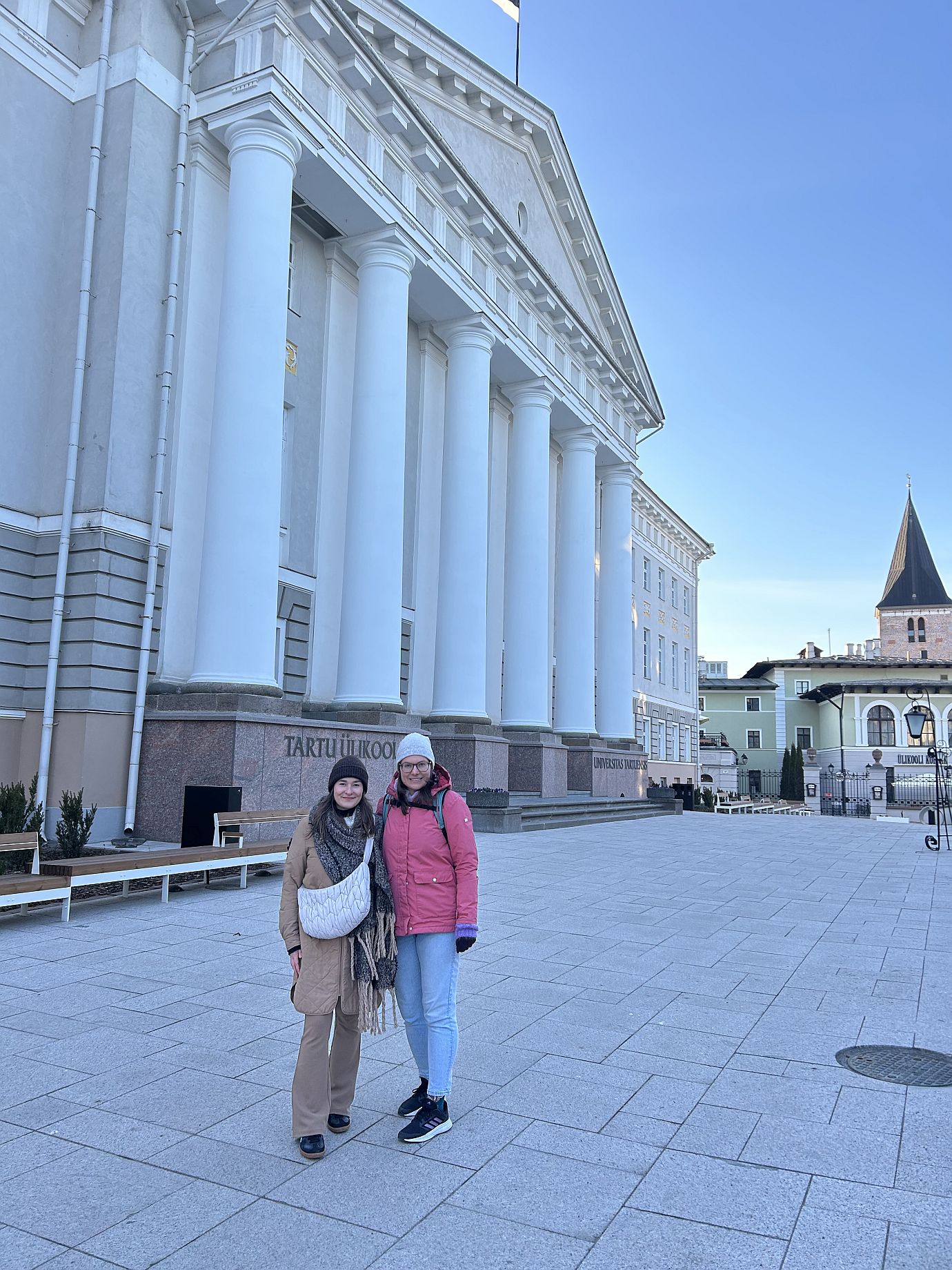
Two doctoral students from the Institute of Hungarian Language and Literature—Patrícia Kovács, a second-year student, and Tünde Szendi, a first-year student—participated in a one-week traineeship at the University of Tartu (Tartu Ülikooli) in Estonia from April 20 to 26, 2026. Patrícia gathered professional (theoretical and methodological) knowledge related to her doctoral studies at the Institute of Cultural Research, while Tünde did so at the Institute of Estonian and General Linguistics.
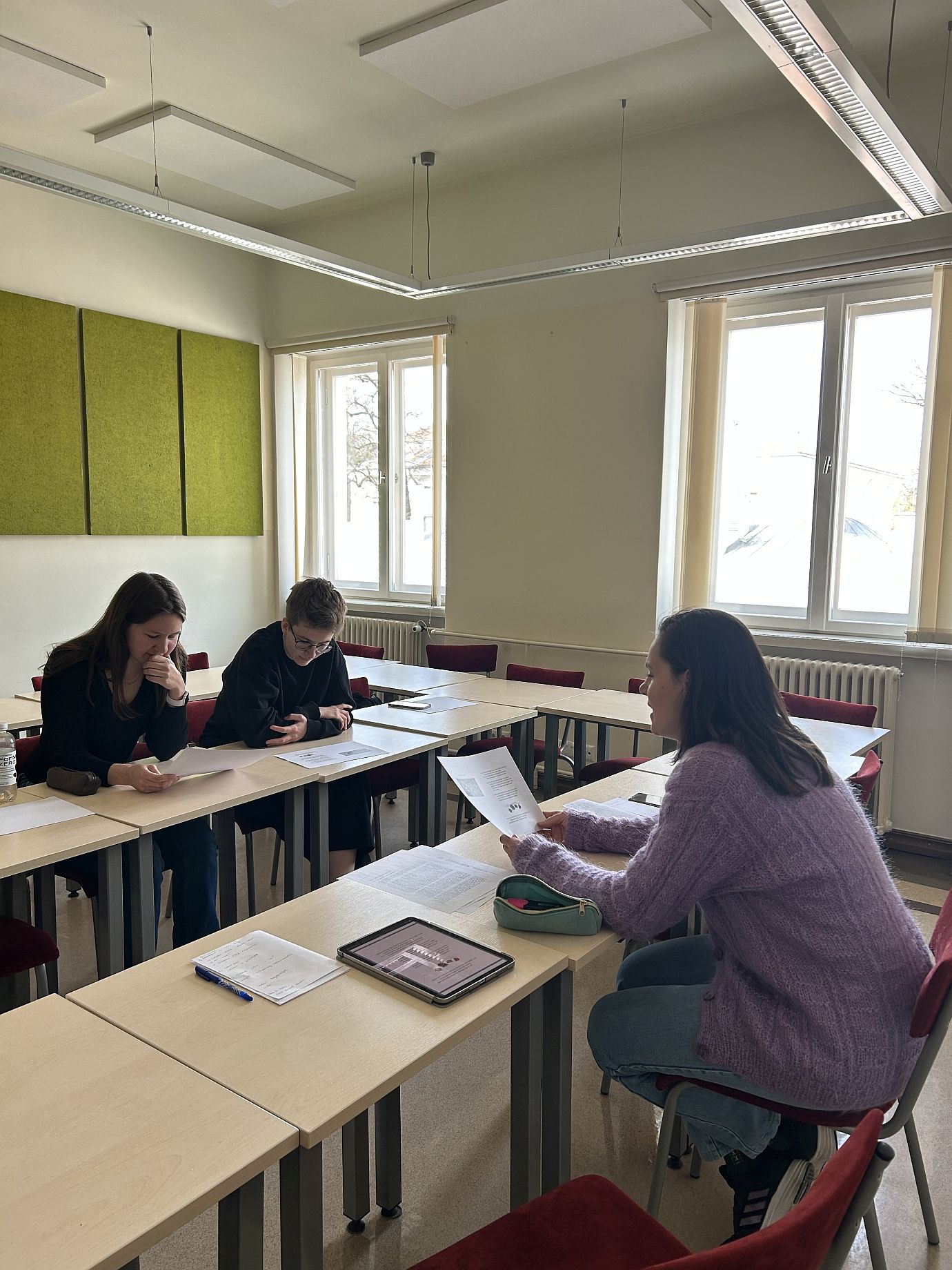
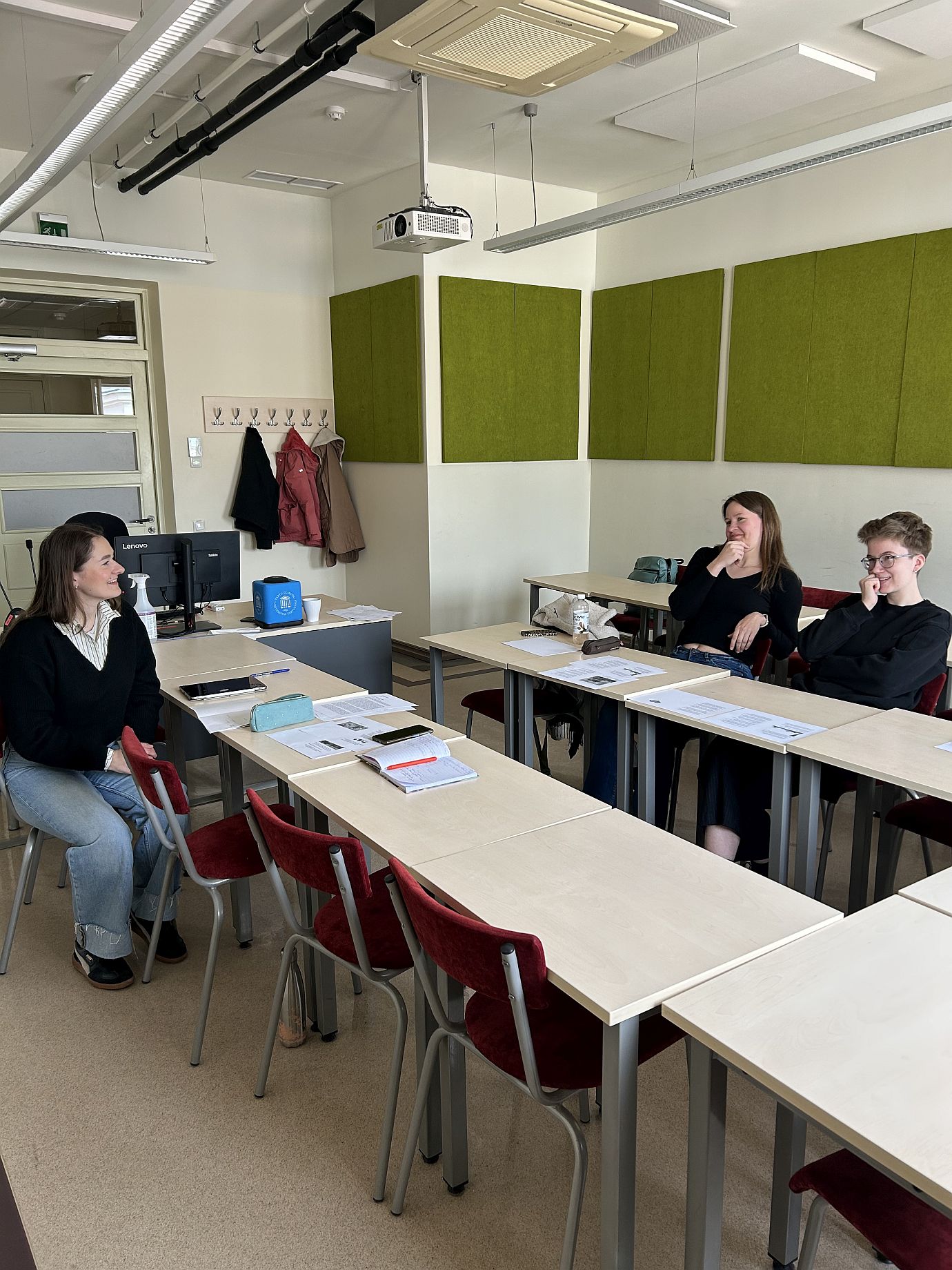
During the one-week traineeship, they were able to consult with local professors and researchers in their respective fields on professional matters, attend classes, explore local archives related to their research topics, and, thanks to visiting lecturer in Hungarian language Krisztina Tóth, had the opportunity to conduct a unique and interactive Hungarian language class for local Estonian students learning Hungarian.
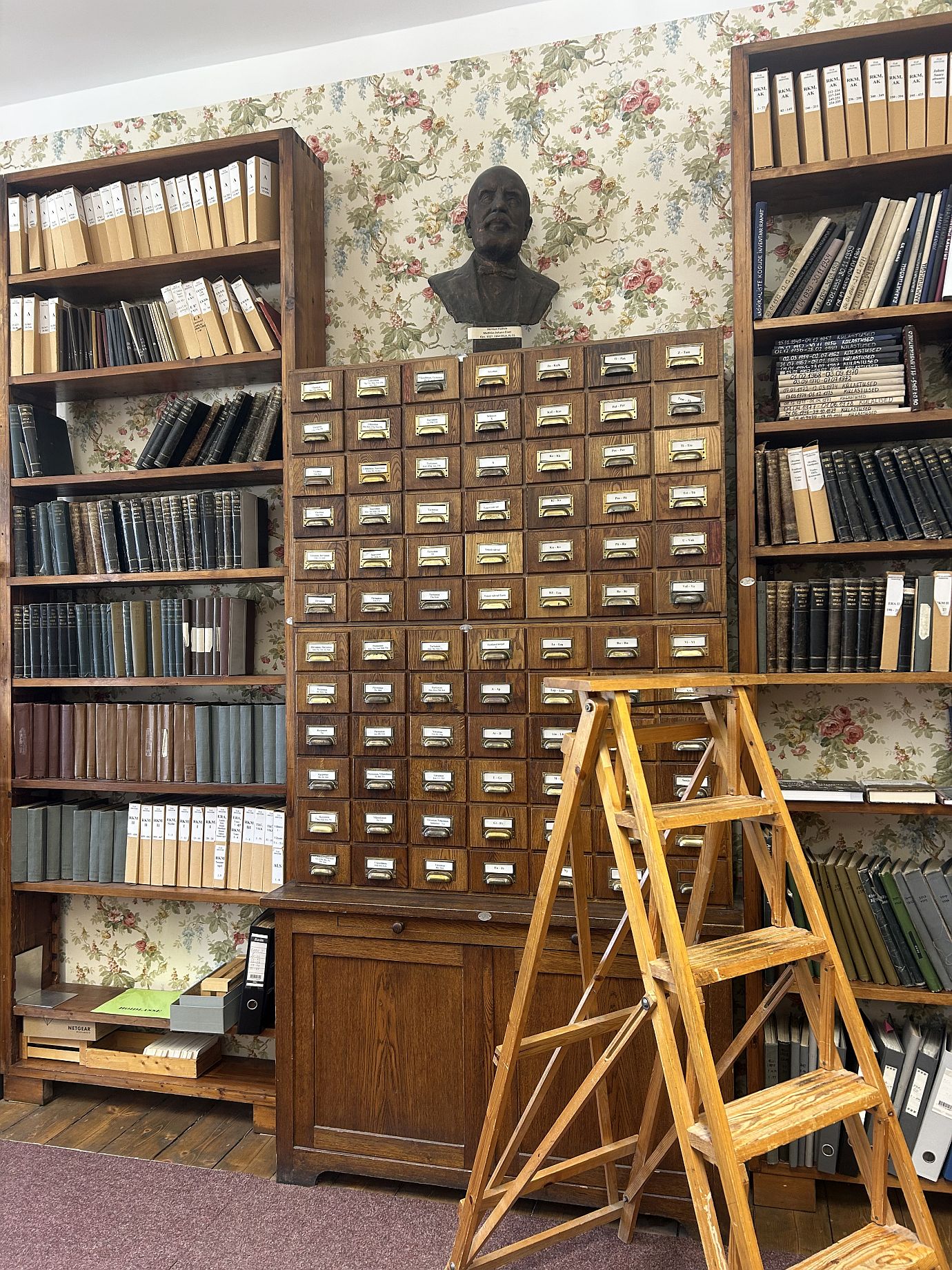
As part of her doctoral research, Patrícia focuses on topics such as multicultural and intercultural education, as well as tale pedagogy. During her internship, she had the opportunity to participate in a class titled “Folklore and Cultural Heritage” taught by Margaret Lyngdoh, a research fellow in Indigenous folklore studies, in her course titled “Folklore and Cultural Heritage”. During the class, she gained insights into the international dimensions of the topic, collected good practices in teaching methodology, and observed the work of students who were presenting their current projects in class. With the assistance of her local mentor, Estonian folklorist Tiiu Jaago, she was able to visit the Estonian Folklore Archives (EFA) and study the Estonian folk tale database in greater depth, as well as collect folk tales that could enrich the folktale section of her doctoral thesis. Alevtina Soloveva, research fellow in Asian studies and folkloristics, delivered a lecture titled “Eschatology and Entrepreneurship in Contemporary Central and Inner Asia” as part of a monthly lecture series held at the university. The event provided an overview of the cultures of the peoples of Central and Inner Asia and offered insight into fieldwork methods and the process of analyzing research findings.
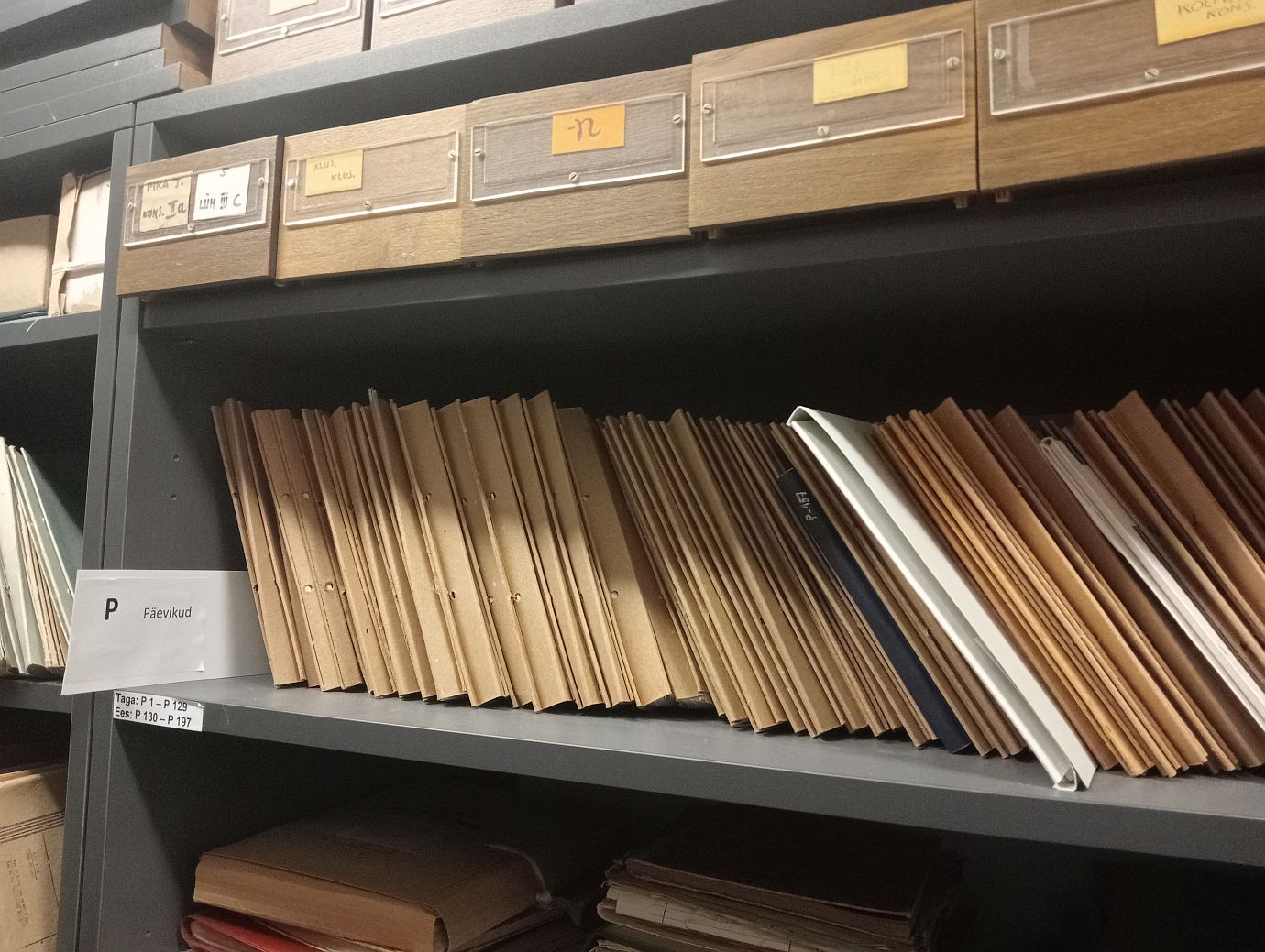
As part of her doctoral research, Tünde is working on a dialectal spoken language corpus (a dialectal audiobook). With the assistance of her local mentor, Tuuli Tuisk—research fellow in phonetics of Finnic Languages (with a specialization in Livonian)—she was able to gain in-depth familiarity with the Archives of Estonian Dialects and Kindred Languages, of which the Estonian Dialect Corpus forms a separate part. With professor Tuisk’s help, she had the opportunity to view the physical version of the archive, which contains audio and video recordings, manuscripts, and photographs, as well as the soundproofed phonetics lab—equipped with modern technical tools necessary for conducting phonetic and psycholinguistic experiments. Tünde also had the chance to meet and consult with Gerson Klumpp, a professor of Finno-Ugric languages and Head of Department, as well as several staff members of the archive. Triin Todesk, research fellow in south Estonian varieties, introduced her to the Estonian dialect regions and discussed the sociolinguistic background of the research. Joshua Wilbur, lecturer in digital linguistics, discussed data quantification and descriptive statistics in his class titled “Corpora in Linguistic Research,” including the use of the Python programming language in the creation of linguistic corpora. Katrin Tsepelina, specialist of language resources and the archive’s technical manager, shared useful insights into its technical and infrastructural background.
During their study trip, Patrícia and Tünde collected numerous good practises, gained plenty of inspiration, ideas, and advice for their doctoral research, shared their experiences to date, and built valuable professional and personal connections. They got a taste of Estonian culture by exploring iconic sites in Tartu, known as the city of students (such as the University Library, the Estonian National Museum, and the Selli-Sillaotsa study trail, located about 30 kilometers away).
Patrícia Kovács and Tünde Szendi
PhD Students, Institute of Hungarian Language and Literature